
In today’s fast-paced business environment, the decision between custom software and off-the-shelf options is crucial for enhancing efficiency and achieving strategic goals. Therefore, understanding the unique advantages and disadvantages of each can help businesses make informed technology decisions.
Custom software is tailored specifically to meet the unique needs of a business, while off-the-shelf software offers ready-made solutions that can be deployed quickly. In this article, we will explore both options in detail, comparing their features, costs, and ideal use cases.
Understanding Custom Software
Custom software is developed specifically for a particular organization. It is designed to address the unique challenges and requirements of that business. As a result, it can provide significant benefits, such as:
- Tailored Features: Custom software can include specific functionalities that off-the-shelf solutions may lack.
- Greater Flexibility: Businesses can adjust and modify the software as their needs change.
- Scalability: Custom solutions can grow with the business, accommodating increased demands.
- Competitive Advantage: Unique software can provide a competitive edge by enhancing operational efficiency.
Exploring Off-the-Shelf Software
Off-the-shelf software refers to ready-made applications that are available for purchase and immediate use. These solutions are designed for a broad audience, making them suitable for various businesses. Here are some of the benefits of off-the-shelf software:
- Quick Deployment: Businesses can implement these solutions almost immediately, saving time.
- Lower Initial Costs: Off-the-shelf options typically have lower upfront costs compared to custom development.
- Standard Functionality: Many businesses find that off-the-shelf solutions meet their basic needs effectively.
- Regular Updates: Vendors often provide updates and support, ensuring the software remains current.
Cost Comparison
When considering software options, cost is a significant factor. Custom software generally involves higher initial development costs. However, it can lead to long-term savings due to its tailored fit. On the other hand, off-the-shelf solutions usually have lower initial costs but may incur additional expenses for customization or limitations in scalability.
To illustrate, here’s a simple cost comparison:
- Custom Software: Higher upfront costs, potential long-term savings through efficiency.
- Off-the-Shelf Software: Lower initial costs, potential additional expenses for future needs.
Factors to Consider When Choosing
Several factors should influence your decision between custom software and off-the-shelf solutions:
- Business Size: Larger organizations may benefit more from custom solutions due to complex needs.
- Operational Requirements: Assess the specific functionalities required for your operations.
- Budget: Determine how much you can invest in software development.
- Scalability Needs: Consider whether your business may need to scale in the future.
- Time-to-Deploy: Evaluate how quickly you need the solution implemented.
Making the Right Choice
Ultimately, the choice between custom software and off-the-shelf options depends on your unique business needs. For example, if your organization requires specific features and scalability, custom software may be the best fit. Conversely, if you are looking for a quick and cost-effective solution, off-the-shelf software might be more suitable.
To assist in making this decision, consider reviewing our article on Custom Software vs Off-the-Shelf Solutions: Which Fits Your Business Best? This resource provides further insights into the benefits and challenges of each option.
Conclusion
In conclusion, choosing between custom software and off-the-shelf options is a significant decision that can impact your business efficiency. By weighing the advantages and disadvantages of each, you can make an informed choice that aligns with your operational needs and budget.
For a practical companion to this section, explore Choosing Between Off-the-Shelf Software and Custom Solutions.
Implementation Steps for Custom Software
Implementing custom software can be a complex process, but following a structured approach can streamline the experience. Here are the essential steps involved:
- Needs Assessment: Conduct a thorough assessment of your business needs to identify the specific functionalities required.
- Vendor Selection: Choose a reputable software development company with experience in your industry.
- Project Planning: Develop a detailed project plan that includes timelines, milestones, and deliverables.
- Design and Development: Collaborate with the development team to create a prototype, ensuring it aligns with your requirements.
- Testing: Conduct rigorous testing to identify bugs or issues before full deployment.
- Deployment: Launch the software and provide training for your team to ensure smooth adoption.
- Ongoing Support and Maintenance: Establish a plan for regular updates and support to keep the software running efficiently.
When Off-the-Shelf Solutions are Ideal
While custom software offers numerous advantages, there are scenarios where off-the-shelf solutions are the better choice. Here are some examples:
- Startups and Small Businesses: Companies with limited budgets may find off-the-shelf software to be a cost-effective solution that meets their immediate needs.
- Standardized Processes: Businesses with standard operational processes may benefit from off-the-shelf software that provides necessary functionalities without customization.
- Rapid Market Entry: Companies needing to launch quickly can leverage off-the-shelf solutions to get up and running without lengthy development times.
- Limited Technical Resources: Organizations lacking in-house IT expertise may prefer the simplicity of off-the-shelf solutions that come with vendor support.
Comparative Analysis of Custom vs. Off-the-Shelf Software
To further illustrate the differences between custom software and off-the-shelf options, consider the following comparative analysis:
Related XoBytes Products

Agentic Consultant, Product Rep, & Customer Service Agent By XoBytes.com
$19.99
Agentic Consultant for WordPress gives your website a smart AI product rep, customer service agent, and hands-free voice…
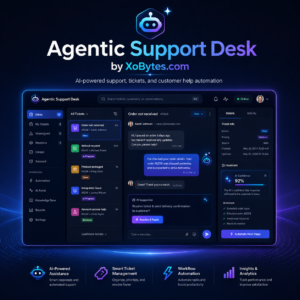
Agentic Support Desk for WordPress by XoBytes.com
$19.99
Agentic Support Desk by Xobytes is an AI-powered WordPress support desk built for software sellers, WooCommerce stores, agencies,…

Agent Shield by XoBytes | Protect against agentic software
$25.00
AgentShield is a WordPress AI Agent Firewall that helps detect, monitor, block, and temporarily ban AI crawlers, AI…
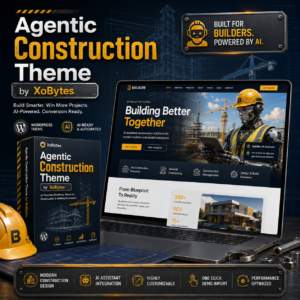
Agentic Construction Theme | More than just a theme | Built for all trades
$49.99
Why You Need This Theme And Plugin! Click here for the Demo Agentic Construction Theme by XoBytes is…
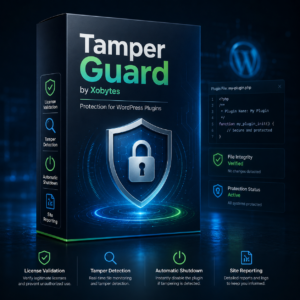
Tamper Guard by XoBytes | WordPress Plugin Tamper Detector
$25.00
Protect your commercial WordPress plugins with license-based tamper detection, file integrity monitoring, automatic shutdown protection, and site reporting.…
Product 1 of 6
| Criteria | Custom Software | Off-the-Shelf Software |
|---|---|---|
| Cost | Higher initial investment; potential long-term savings | Lower initial costs; possible additional fees for customization |
| Time to Market | Longer development time | Immediate availability |
| Customization | Highly customizable to meet specific needs | Limited customization options |
| Support | Ongoing support from the development team | Vendor support and updates |
| Scalability | Designed to scale with business growth | May require additional purchases for scaling |
Real-World Examples of Custom Software Success
Many organizations have successfully implemented custom software solutions to address their unique challenges. Here are a few notable examples:
- Healthcare Sector: A hospital developed a custom patient management system that streamlined patient intake, reduced wait times, and improved overall patient satisfaction.
- Retail Industry: A retail company created a custom inventory management system that integrated with their e-commerce platform, allowing real-time tracking of stock levels and reducing overstock issues.
- Financial Services: A financial institution designed a custom risk assessment tool that tailored its analysis to specific client profiles, resulting in more accurate risk evaluations and better client service.
Key Decision Criteria for Custom vs. Off-the-Shelf Software
When deciding between custom software and off-the-shelf solutions, consider the following criteria:
Continue with Choosing Between Proprietary and Off-the-Shelf Software: Key Insights for additional XoBytes guidance.
- Business Goals: Align the software choice with your strategic goals and long-term vision.
- User Experience: Evaluate how the software will impact user experience and employee productivity.
- Integration Needs: Consider how well the software will integrate with existing systems and processes.
- Future Growth: Assess whether the software can accommodate future business growth and changes in technology.
Implementation Steps for Off-the-Shelf Software
While off-the-shelf software can be easier to implement than custom solutions, a structured approach is still beneficial. Here are the essential steps to effectively deploy off-the-shelf software:
- Identify Business Requirements: Clearly define the specific needs and functionalities required for your business operations.
- Research Options: Conduct thorough research to identify off-the-shelf solutions that best meet your needs. Consider user reviews and vendor reputation.
- Trial and Evaluation: Utilize free trials or demos to evaluate the software’s features and usability before making a purchase decision.
- Integration Planning: Plan how the new software will integrate with existing systems to minimize disruption and ensure data consistency.
- Training and Onboarding: Provide comprehensive training for your team to facilitate a smooth transition and maximize the software’s potential.
- Feedback and Adjustment: After deployment, gather feedback from users to identify any issues or areas for improvement. Adjust settings or configurations as necessary.
Common Use Cases for Custom Software
Custom software is particularly advantageous in specific scenarios. Here are some common use cases:
- Complex Business Processes: Organizations with intricate workflows may require tailored software to manage unique operational challenges effectively.
- Industry-Specific Solutions: Industries such as healthcare, finance, and manufacturing often need specialized software to comply with regulations and meet specific industry standards.
- Integration with Legacy Systems: Businesses with existing legacy systems may need custom software to ensure seamless integration and data transfer.
- Unique User Experience: Companies aiming to differentiate themselves through unique user interfaces or experiences may benefit from custom development.
Evaluating Vendor Capabilities
When considering custom software development, it’s crucial to evaluate potential vendors carefully. Here are some key factors to assess:
- Experience and Expertise: Look for vendors with a proven track record in your industry and relevant experience in developing similar software solutions.
- Portfolio of Past Projects: Review their previous work to gauge the quality and functionality of the software they have developed.
- Client Testimonials: Seek feedback from previous clients to understand their experience with the vendor, including support and post-launch services.
- Development Methodology: Inquire about the vendor’s development process (e.g., Agile, Waterfall) and how they ensure quality and timely delivery.
- Support and Maintenance: Assess the vendor’s commitment to ongoing support, updates, and maintenance after the software is deployed.
Future-Proofing Your Software Choice
As technology continues to evolve, it’s essential to consider future-proofing your software choice. Here are some strategies:
- Scalability: Ensure that the software can scale with your business growth, accommodating increased users and functionalities.
- Technology Trends: Stay informed about emerging technologies (e.g., AI, cloud computing) and assess how they can enhance your software capabilities.
- Regular Updates: Choose solutions that offer regular updates and enhancements to keep pace with changing business needs and technology advancements.
- Vendor Longevity: Partner with vendors that have a stable history and a commitment to innovation, ensuring they will be around to support your software in the long run.
Frequently Asked Questions
Below are some common questions regarding custom software and off-the-shelf solutions:
What are the main advantages of custom software over off-the-shelf solutions?
Custom software offers tailored features, greater flexibility, and scalability to meet specific business needs, often leading to improved efficiency and competitive advantage.
When is it more appropriate to choose off-the-shelf software?
Off-the-shelf solutions are suitable for businesses seeking quick deployment, lower initial costs, and standard functionalities without the need for extensive customization.
How do costs typically compare between custom and off-the-shelf software?
Custom software generally involves higher upfront development costs but can provide long-term savings through tailored fit, whereas off-the-shelf solutions usually have lower initial costs but may incur additional expenses for customization or limitations.
What factors should influence my decision between custom and off-the-shelf software?
Consider your business size, specific operational requirements, budget, desired scalability, and time-to-deploy when choosing between these options.