
In today’s fast-paced business environment, maximizing efficiency is critical for success. One effective way to achieve this is through custom software functionality. By tailoring software solutions to meet specific business needs, organizations can enhance productivity, streamline operations, and ultimately drive growth. In this article, we will explore the various aspects of custom software functionality, explain its benefits, and provide insights on implementation strategies.
Understanding Custom Software Functionaliteit
To begin with, custom software functionality refers to features and capabilities that are specifically designed to address the unique requirements of a business. Unlike off-the-shelf software, which offers generic solutions, custom software is tailored to fit the specific workflows and processes of an organization. Therefore, businesses often find that custom solutions can significantly improve their operational efficiency.
Benefits of Custom Software Functionaliteit
There are several key benefits associated with implementing custom software functionality:
- Tailored Solutions: Custom software is built to meet the specific needs of a business, ensuring that all features are relevant and useful.
- Improved Efficiency: By automating repetitive tasks and streamlining processes, custom software can enhance overall productivity.
- Scalability: As businesses grow, their software needs may change. Custom solutions can be scaled and adapted over time to accommodate evolving requirements.
- Competitive Advantage: Companies that leverage custom software often gain a competitive edge by optimizing their operations and improving customer experiences.
For example, a retail company may implement a custom inventory management system that integrates with their existing e-commerce platform, allowing for real-time tracking of stock levels and streamlined order processing.
For useful background on this topic, see Understanding Custom Software Functionaliteit: Business Benefits Explained.
When to Consider Custom Software Functionaliteit
Recognizing the right time to invest in custom software is crucial for businesses. Here are some indicators that it may be time to consider custom solutions:
- Inadequate Off-the-Shelf Solutions: If existing software does not meet specific business needs or requires excessive customization, it may be time to explore custom options.
- Unique Business Processes: Businesses with unique workflows or processes that cannot be efficiently managed with standard software should consider custom development.
- Growth and Expansion: Companies anticipating significant growth may need scalable software solutions that can adapt to their changing needs.
Moreover, investing in custom software can lead to long-term cost savings by reducing reliance on multiple software licenses and minimizing the need for extensive training on various systems.
Implementing Custom Software Functionaliteit
Implementing custom software functionality involves several key steps:
- Needs Assessment: Conduct a thorough analysis of business processes and identify specific requirements for the software.
- Collaboration with Developers: Work closely with experienced software developers to ensure that the final product aligns with business goals.
- Testing and Feedback: Before full deployment, conduct rigorous testing and gather feedback from end-users to identify any necessary adjustments.
- Training and Support: Provide training for employees to ensure they can effectively use the new software and offer ongoing support as needed.
In addition, it is essential to choose a reliable software development partner who understands the intricacies of your business and can deliver a solution that meets your needs.
For a practical companion to this section, explore Custom Software Explained: Tailored Solutions for Business Efficiency.
Real-World Examples of Custom Software Success
Many organizations have successfully implemented custom software solutions to enhance their operations. For instance, a logistics company developed a custom tracking system that integrates with their fleet management software. As a result, they improved delivery times and customer satisfaction.
Similarly, a healthcare provider created a custom patient management system that streamlined appointment scheduling and improved patient communication. This led to increased patient retention and overall satisfaction.
Conclusion
In conclusion, maximizing business efficiency with custom software functionality is a strategic move that can yield significant benefits. By tailoring solutions to meet specific needs, organizations can enhance productivity, streamline operations, and gain a competitive edge. If your business is facing challenges with off-the-shelf software or has unique requirements, consider exploring custom software solutions.
Key Features to Consider in Custom Software
When developing custom software, it’s important to identify the key features that will provide the most value to your business. Here are some essential functionalities to consider:
Related XoBytes Products

Agentic Consultant, Product Rep, & Customer Service Agent By XoBytes.com
$19.99
Agentic Consultant for WordPress gives your website a smart AI product rep, customer service agent, and hands-free voice…

Agentic Construction Theme | More than just a theme | Built for all trades
$49.99
Why You Need This Theme And Plugin! Click here for the Demo Agentic Construction Theme by XoBytes is…
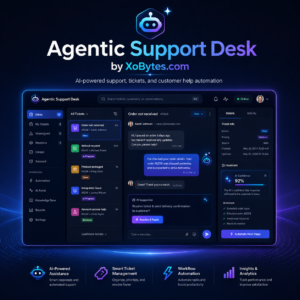
Agentic Support Desk for WordPress by XoBytes.com
$19.99
Agentic Support Desk by Xobytes is an AI-powered WordPress support desk built for software sellers, WooCommerce stores, agencies,…

Agent Shield by XoBytes | Protect against agentic software
$25.00
AgentShield is a WordPress AI Agent Firewall that helps detect, monitor, block, and temporarily ban AI crawlers, AI…
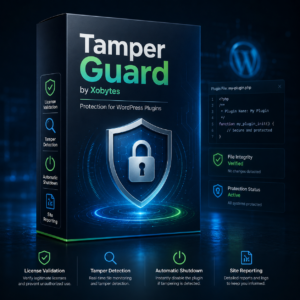
Tamper Guard by XoBytes | WordPress Plugin Tamper Detector
$25.00
Protect your commercial WordPress plugins with license-based tamper detection, file integrity monitoring, automatic shutdown protection, and site reporting.…
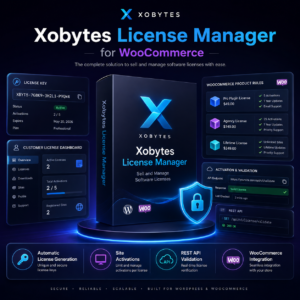
License manager for WooCommerce by XoBytes.com
$25.00
Xobytes License Manager for WooCommerce is a powerful WooCommerce license manager plugin that lets you sell software licenses,…
Product 1 of 6
- User-Friendly Interface: A clean and intuitive interface ensures that users can navigate the software easily, reducing the learning curve and increasing adoption rates.
- Integration Capabilities: The ability to integrate with existing systems and third-party applications is crucial for seamless operations and data flow.
- Data Analytics: Incorporating analytics tools allows businesses to gather insights from their data, enabling informed decision-making and strategy adjustments.
- Security Features: Custom software should include robust security measures to protect sensitive business data and comply with industry regulations.
- Mobile Compatibility: With the rise of remote work, ensuring that software is accessible on mobile devices can enhance flexibility and productivity.
Comparing Custom Software to Off-the-Shelf Solutions
While off-the-shelf software may seem like a cost-effective solution, there are several key differences that can impact your business:
Continue with Custom Software Explained: Tailored Solutions for Business Efficiency for additional XoBytes guidance.
- Customization: Off-the-shelf software often lacks the flexibility to adapt to unique business processes, whereas custom software is tailored specifically to meet those needs.
- Cost Over Time: Although initial costs for off-the-shelf software may be lower, ongoing licensing fees and the need for additional tools can add up, making custom solutions more economical in the long run.
- Support and Maintenance: Custom software typically comes with dedicated support from developers, ensuring timely updates and issue resolution, unlike generic software that may offer limited assistance.
- Scalability: Custom solutions can grow with your business, easily adapting to changes in size or operations, while off-the-shelf options may require costly upgrades or replacements.
Implementation Steps for Custom Software Development
To ensure a successful implementation of custom software, follow these steps:
- Define Objectives: Clearly outline the goals you want to achieve with the custom software to guide the development process.
- Engage Stakeholders: Involve key stakeholders from various departments to gather input and ensure the software meets the needs of all users.
- Choose the Right Technology Stack: Select programming languages and frameworks that align with your business goals and technical requirements.
- Iterative Development: Utilize an agile approach to develop the software in iterations, allowing for regular feedback and adjustments throughout the process.
- Conduct User Training: Implement comprehensive training sessions to familiarize users with the new system and its features.
- Monitor and Optimize: After deployment, continuously monitor the software’s performance and gather user feedback to identify areas for improvement.
Case Studies: Successful Custom Software Implementations
Here are a couple of case studies demonstrating how custom software has transformed businesses:
- Manufacturing Company: A manufacturing firm developed a custom production management system that automated inventory tracking and order processing. This resulted in a 30% reduction in operational costs and improved production timelines.
- Financial Services: A financial services company created a custom client portal that provided real-time access to account information and personalized financial advice. This led to a 25% increase in client satisfaction and retention rates.
Evaluating Software Development Partners
Choosing the right development partner is crucial for the success of your custom software project. Here are some criteria to consider:
- Experience: Look for a partner with a proven track record in developing custom software solutions relevant to your industry.
- Technical Expertise: Ensure that the partner has the necessary technical skills and knowledge of the latest technologies and trends.
- Client Testimonials: Review case studies and client feedback to gauge their reliability and the quality of their work.
- Communication: Effective communication is essential for collaboration; choose a partner that prioritizes transparency and regular updates throughout the project.
Frequently Asked Questions
Below are some common questions about custom software functionality:
- Wat is de definitie van custom software functionaliteit?
Custom software functionaliteit verwijst naar op maat gemaakte functies en features die specifiek zijn ontworpen om aan de unieke behoeften van een bedrijf te voldoen, in tegenstelling tot standaardsoftware. - Wanneer moet een bedrijf overwegen om te investeren in custom functionaliteit?
Een bedrijf moet overwegen om te investeren in custom functionaliteit wanneer standaardsoftware niet voldoet aan de specifieke bedrijfsprocessen, of wanneer maatwerk efficiëntie, schaalbaarheid en concurrentievoordeel biedt. - Hoe ontwikkel ik effectieve custom functionaliteit voor mijn bedrijf?
Het ontwikkelen van effectieve custom functionaliteit vereist een grondige analyse van bedrijfsbehoeften, samenwerking met ervaren ontwikkelaars, en het gebruik van best practices voor softwareontwikkeling en projectmanagement.