
In today’s fast-paced business environment, maximizing efficiency is crucial for success. One effective way to achieve this is through a custom business automation suite. By integrating various tools and software into a cohesive system, businesses can streamline their operations and enhance productivity. In this guide, we will explore the benefits of a custom automation suite, the essential components it should include, and how to implement it effectively.
Understanding Business Automation Suites
A business automation suite is essentially a collection of integrated tools designed to automate various business processes. These tools can range from customer relationship management (CRM) systems to workflow automation software. Moreover, they help organizations reduce manual tasks, minimize errors, and improve overall efficiency.
For example, a comprehensive automation suite can integrate marketing, sales, and customer support functionalities, allowing for seamless data flow and better decision-making. As a result, businesses can focus on strategic growth rather than mundane tasks.
Key Benefits of a Custom Business Automation Suite
- Increased Efficiency: Automation reduces the time spent on repetitive tasks, allowing employees to focus on more strategic activities.
- Improved Accuracy: Automated processes minimize human error, ensuring more reliable outcomes.
- Enhanced Customer Experience: With integrated customer support tools, businesses can respond to inquiries faster and more effectively.
- Cost Savings: By streamlining operations, companies can reduce overhead costs associated with manual processes.
Essential Components of a Custom Automation Suite
To maximize efficiency, a custom business automation suite should include the following components:
- Workflow Automation: This enables the automation of routine tasks and processes, ensuring consistency and speed.
- Customer Support Integration: Tools like chatbots or help desk software can enhance customer interactions and support.
- Reporting and Analytics: Integrated analytics tools provide insights into performance, helping businesses make data-driven decisions.
- CRM Capabilities: A robust CRM system helps manage customer relationships and track interactions.
- Compatibility: Ensure the suite can integrate with existing systems like WooCommerce or project management tools.
To make this easier, consider the Ultimate Guide to Building an Effective Business Automation Suite, which offers insights into best practices and essential tools for creating a successful automation strategy.
Implementing Your Custom Automation Suite
Implementing a custom business automation suite requires careful planning and execution. Here are some key steps to follow:
- Identify Your Needs: Assess your current processes and determine which tasks can be automated.
- Choose the Right Tools: Select tools that fit your business requirements and can integrate seamlessly.
- Plan the Integration: Develop a strategy for integrating the tools into your existing workflows.
- Train Your Team: Ensure that your team is well-trained to use the new tools effectively.
- Monitor and Optimize: Continuously monitor the performance of your automation suite and make adjustments as needed.
Real-World Applications of Business Automation
Many companies have successfully implemented custom business automation suites to improve their operations. For example, a marketing agency might use an automation suite to streamline its email marketing campaigns, lead generation, and client reporting. As a result, they can focus on creative strategies rather than administrative tasks.
Similarly, e-commerce businesses can benefit from integrating customer support tools with their sales systems, ensuring a smooth experience from purchase to post-sale support.
Conclusion
In conclusion, maximizing efficiency with a custom business automation suite is a strategic move that can significantly enhance productivity and operational capabilities. By understanding the key components and benefits, organizations can tailor an automation solution that meets their specific needs and drives growth.
Practical Examples of Automation Suite Implementations
To better understand how a custom business automation suite can be utilized, let’s explore some practical examples across different industries:
1. Marketing Automation in a Digital Agency
A digital marketing agency can leverage a custom automation suite to enhance its marketing efforts. By integrating tools like:
- Email Marketing Software: Automate email campaigns based on user behavior.
- Social Media Management Tools: Schedule posts and analyze engagement metrics.
- Lead Scoring Systems: Automatically qualify leads based on their interactions.
These integrations allow the agency to focus on strategy and creativity, rather than getting bogged down in repetitive tasks.
For a practical companion to this section, explore Maximizing Business Efficiency with Custom Software Functionaliteit Explained.
2. E-commerce Order Processing
An e-commerce business can utilize an automation suite to streamline its order processing. This can include:
- Inventory Management: Automatically update stock levels as orders are placed.
- Shipping Integration: Generate shipping labels and tracking numbers automatically.
- Customer Relationship Management: Send follow-up emails to customers post-purchase.
By automating these processes, the business can reduce order fulfillment times and enhance customer satisfaction.
3. Human Resources Management
In the HR sector, a custom automation suite can help manage employee onboarding and performance evaluations. Key components might include:
Related XoBytes Products

Agentic Consultant, Product Rep, & Customer Service Agent By XoBytes.com
$19.99
Agentic Consultant for WordPress gives your website a smart AI product rep, customer service agent, and hands-free voice…
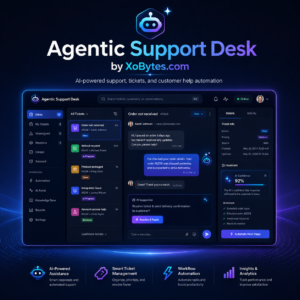
Agentic Support Desk for WordPress by XoBytes.com
$19.99
Agentic Support Desk by Xobytes is an AI-powered WordPress support desk built for software sellers, WooCommerce stores, agencies,…
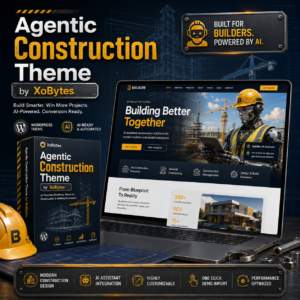
Agentic Construction Theme | More than just a theme | Built for all trades
$49.99
Why You Need This Theme And Plugin! Click here for the Demo Agentic Construction Theme by XoBytes is…
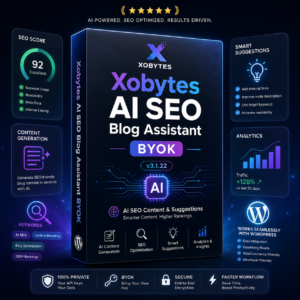
AI SEO Data & Automatic Blog Writer for WordPress by XoBytes
$19.99
Turn your WordPress site, Google Search Console data, and SEO opportunities into smarter blog posts, pages, titles, meta…
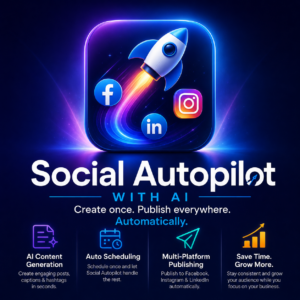
Social Media Autopilot With AI by XoBytes.com
$19.99
Xobytes Social Autopilot is a WordPress social media autoposter that helps schedule and promote posts, pages, WooCommerce products,…

Agent Shield by XoBytes | Protect against agentic software
$25.00
AgentShield is a WordPress AI Agent Firewall that helps detect, monitor, block, and temporarily ban AI crawlers, AI…
Product 1 of 6
- Onboarding Software: Automate document collection and training schedules for new hires.
- Performance Management Tools: Facilitate regular feedback and performance reviews.
- Time Tracking Systems: Automatically calculate payroll based on hours worked.
This leads to a more efficient HR process, allowing HR professionals to focus on strategic initiatives rather than administrative tasks.
Key Decision Criteria for Selecting Automation Tools
When selecting tools for your custom business automation suite, consider the following criteria:
- Integration Capabilities: Ensure the tools can easily integrate with existing systems.
- User-Friendliness: Choose tools that are intuitive and easy for your team to adopt.
- Scalability: Look for solutions that can grow with your business needs.
- Cost-Effectiveness: Evaluate the pricing models to ensure they fit within your budget.
- Support and Training: Consider the level of customer support and training provided by the vendor.
By carefully evaluating these factors, businesses can select the most suitable tools for their automation suite.
Steps to Optimize Your Automation Suite
After implementing your custom automation suite, continuous optimization is essential. Follow these steps to ensure maximum efficiency:
Continue with How to Choose the Right Business Automation Tools for Your Company for additional XoBytes guidance.
- Regularly Review Performance Metrics: Use analytics tools to track the effectiveness of automated processes.
- Gather Team Feedback: Encourage team members to provide insights on the usability and functionality of the tools.
- Stay Updated on Industry Trends: Keep an eye on emerging technologies and tools that can enhance your automation suite.
- Conduct Periodic Training: Offer refresher courses for your team to ensure they are utilizing the tools effectively.
By following these steps, businesses can maintain a high level of efficiency and adapt their automation suite as needed.
Considerations for Customization
When developing your custom business automation suite, it’s essential to consider how the suite can be tailored to meet your specific business needs. Here are some key considerations:
- Business Goals: Clearly define your business objectives to ensure that the automation suite aligns with your overall strategy.
- User Needs: Involve end-users in the customization process to understand their pain points and requirements.
- Flexibility: Choose tools that offer customization options, allowing you to adapt as your business evolves.
- Security: Ensure that the automation tools comply with data protection regulations and have robust security features.
Comparing Off-the-Shelf vs. Custom Solutions
When considering a business automation suite, you may face the choice between off-the-shelf solutions and custom-built systems. Here’s a comparison of both approaches:
| Criteria | Off-the-Shelf Solutions | Custom Solutions |
|---|---|---|
| Cost | Generally lower initial investment | Higher upfront costs due to development |
| Time to Implement | Quicker deployment | Longer development time |
| Customization | Limited customization options | Fully tailored to specific needs |
| Support | Vendor provides support | In-house or contracted support |
| Scalability | May require additional purchases for scaling | Designed to scale with the business |
Key Implementation Steps for Automation Success
To ensure a successful implementation of your custom business automation suite, consider the following steps:
- Conduct a Needs Assessment: Identify specific workflows and processes that require automation.
- Develop a Roadmap: Create a detailed plan outlining the phases of implementation, including timelines and milestones.
- Engage Stakeholders: Involve key stakeholders from various departments to gather insights and foster buy-in.
- Test the System: Before full deployment, conduct thorough testing to identify and resolve any issues.
- Gather Feedback Post-Implementation: After rollout, collect feedback to make necessary adjustments and improvements.
Future Trends in Business Automation
As technology evolves, several trends are shaping the future of business automation:
- Artificial Intelligence: AI will play a crucial role in enhancing automation capabilities, enabling smarter decision-making.
- Integration of IoT: The Internet of Things (IoT) will facilitate real-time data collection and automation across various devices.
- Low-Code/No-Code Platforms: These platforms will allow businesses to create custom automation solutions without extensive programming knowledge.
- Increased Focus on Cybersecurity: As automation becomes more prevalent, robust security measures will be essential to protect sensitive data.
Frequently Asked Questions
Here are some common questions about business automation suites:
- What is a business automation suite? A business automation suite is a collection of integrated tools and software designed to streamline processes, improve efficiency, and automate repetitive tasks across various business functions.
- How can a business automation suite benefit my company? It can reduce manual work, increase accuracy, improve customer service, and free up resources for strategic growth by automating routine tasks and integrating different business systems.
- What are essential features to look for in a business automation suite? Key features include workflow automation, customer support integration, reporting and analytics, CRM capabilities, and compatibility with existing systems like WooCommerce or project management tools.
- Can I customize a business automation suite for my specific needs? Yes, many automation suites are customizable, allowing you to tailor workflows, integrations, and features to match your business processes and objectives.