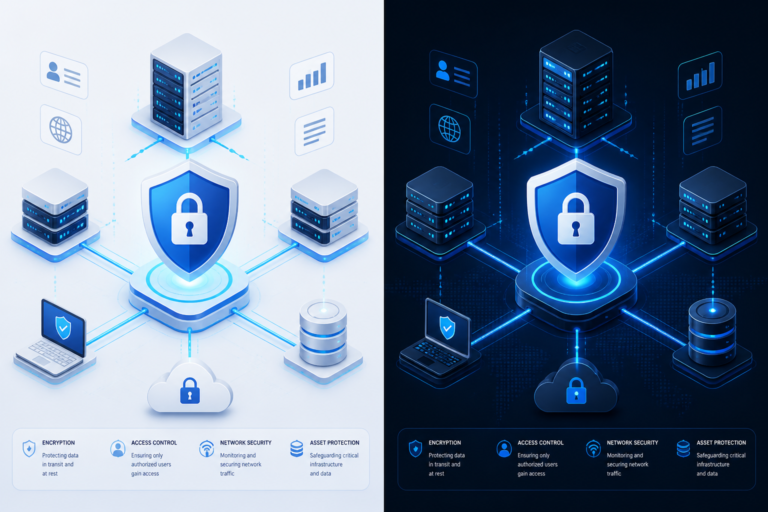
In today’s digital age, protecting your business’s digital assets is paramount. With increasing cyber threats and compliance requirements, implementing robust security measures is essential. One effective solution is business integrity monitoring software. This software not only safeguards your digital assets but also ensures compliance with various regulations. In this article, we will explore how business integrity monitoring software protects your digital assets, its key features, and best practices for implementation.
Understanding Business Integrity Monitoring Software
Business integrity monitoring software is designed to detect unauthorized changes and tampering within digital systems. It continuously monitors files and systems for any signs of malicious activity, ensuring data integrity and compliance. For example, it can alert you to unauthorized modifications in critical files, allowing for swift action to mitigate potential threats.
Key Features of Business Integrity Monitoring Software
When selecting business integrity monitoring software, it’s crucial to consider its key features. Here are some essential features to look for:
- Real-Time Change Detection: The software should monitor changes in real-time, providing immediate alerts for unauthorized modifications.
- Automated Alerts: Automated notifications help you respond quickly to potential security threats.
- License Validation: This feature ensures that only authorized users have access to sensitive data and systems.
- Tamper Reporting: Comprehensive reporting tools help you track changes and identify potential tampering.
- Integration with Other Security Systems: Effective monitoring tools should integrate seamlessly with your existing security infrastructure.
How Business Integrity Monitoring Software Protects Your Digital Assets
The protection of digital assets is a multi-faceted approach. Here are some ways business integrity monitoring software contributes to this protection:
- Prevention of Unauthorized Access: By monitoring file changes, the software can detect and prevent unauthorized access to sensitive data.
- Early Detection of Security Breaches: Continuous monitoring allows for the early detection of security breaches, enabling quick remedial actions.
- Compliance Assurance: Many industries are subject to strict compliance regulations. Business integrity monitoring software helps ensure that your organization adheres to these requirements.
- Data Integrity Maintenance: Maintaining the integrity of data is crucial for business operations. Monitoring tools help ensure that data remains unaltered and secure.
Best Practices for Implementing Business Integrity Monitoring Software
Implementing business integrity monitoring software effectively requires careful planning. Here are some best practices to consider:
- Assess Your Needs: Identify the specific requirements of your business and choose software that meets those needs.
- Train Your Team: Ensure that your staff understands how to use the software effectively and is aware of security protocols.
- Regularly Update Software: Keep your monitoring software updated to protect against new threats and vulnerabilities.
- Conduct Regular Audits: Regular audits of your monitoring systems can help identify weaknesses and improve overall security.
To further enhance your understanding of file integrity monitoring, check out our article on A Complete Guide to Choosing File Integrity Monitoring Tools.
Conclusion
In conclusion, business integrity monitoring software is a vital tool for protecting your digital assets. By implementing effective monitoring solutions, businesses can enhance their security posture, ensure compliance, and maintain data integrity. As cyber threats continue to evolve, investing in robust monitoring tools is not just an option; it’s a necessity.
Practical Examples of Business Integrity Monitoring Software
To better understand the impact of business integrity monitoring software, let’s look at some practical examples of its application across different industries:
For a practical companion to this section, explore Preventing Plugin Tampering: Essential Software Integrity Monitoring Solutions.
- Financial Services: In banks and financial institutions, integrity monitoring software can track changes to sensitive customer data and transaction records. For instance, if a bank employee attempts to alter a transaction record, the software can immediately alert the security team, thereby preventing potential fraud.
- Healthcare: In the healthcare sector, protecting patient data is critical. Monitoring software can ensure that electronic health records (EHR) are not tampered with. For example, if an unauthorized individual tries to access or modify patient information, the software will flag this activity, enabling swift intervention.
- Retail: Retailers can use integrity monitoring to protect their inventory management systems. If an employee attempts to change stock levels or pricing without proper authorization, the software can notify management, helping to prevent financial losses.
Comparing Business Integrity Monitoring Software Solutions
When selecting the right business integrity monitoring software, it’s important to compare different solutions. Here are some criteria to consider during your evaluation:
- Features: Assess the features offered by each software solution. Look for capabilities like real-time monitoring, automated alerts, and reporting tools.
- Ease of Use: The software should have an intuitive interface that allows your team to navigate and utilize its features effectively without extensive training.
- Scalability: Consider whether the software can scale with your business. As your organization grows, your monitoring needs may change.
- Integration: Ensure that the software can integrate with your existing systems, such as firewalls, intrusion detection systems, and compliance management tools.
- Customer Support: Evaluate the level of customer support provided by the vendor. Reliable support can be crucial during implementation and ongoing usage.
Related XoBytes Products
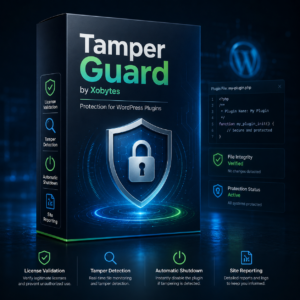
Tamper Guard by XoBytes | WordPress Plugin Tamper Detector
$25.00
Protect your commercial WordPress plugins with license-based tamper detection, file integrity monitoring, automatic shutdown protection, and site reporting.…

Plugin Update Server for WordPress by XoBytes.com
$25.00
Plugin Update Server by XoBytes lets WordPress plugin sellers deliver private plugin updates directly to customer dashboards. Upload…

Agentic Consultant, Product Rep, & Customer Service Agent By XoBytes.com
$19.99
Agentic Consultant for WordPress gives your website a smart AI product rep, customer service agent, and hands-free voice…

Agent Shield by XoBytes | Protect against agentic software
$25.00
AgentShield is a WordPress AI Agent Firewall that helps detect, monitor, block, and temporarily ban AI crawlers, AI…

Agentic Construction Theme | More than just a theme | Built for all trades
$49.99
Why You Need This Theme And Plugin! Click here for the Demo Agentic Construction Theme by XoBytes is…
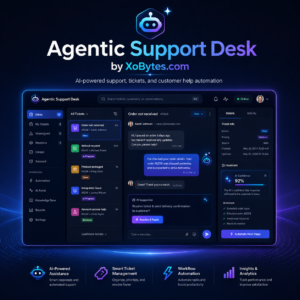
Agentic Support Desk for WordPress by XoBytes.com
$19.99
Agentic Support Desk by Xobytes is an AI-powered WordPress support desk built for software sellers, WooCommerce stores, agencies,…
Product 1 of 6
Implementation Steps for Business Integrity Monitoring Software
Implementing business integrity monitoring software requires a structured approach. Here are the key steps to follow:
- Define Objectives: Clearly outline what you hope to achieve with the monitoring software. This could include compliance goals, data protection, or risk management.
- Choose the Right Software: Based on your defined objectives, select software that aligns with your needs and budget.
- Plan Deployment: Develop a deployment plan that includes timelines, resource allocation, and responsibilities.
- Conduct Training: Provide comprehensive training for your staff on how to use the software effectively, including how to respond to alerts and reports.
- Monitor and Adjust: After implementation, continuously monitor the software’s performance and adjust settings as necessary to optimize its effectiveness.
Decision Criteria for Choosing Business Integrity Monitoring Software
When deciding on the best business integrity monitoring software for your organization, consider the following criteria:
- Cost: Evaluate the total cost of ownership, including licensing, implementation, and ongoing maintenance costs.
- Reputation: Research vendor reputation through customer reviews, case studies, and industry recognition.
- Compliance Support: Ensure the software supports compliance with relevant regulations specific to your industry, such as GDPR, HIPAA, or PCI-DSS.
- Customization: Check if the software allows for customization to fit your unique business processes and security requirements.
- Trial Period: Look for vendors that offer a trial period or demo version, allowing you to test the software before making a commitment.
Common Use Cases for Business Integrity Monitoring Software
Understanding the various use cases for business integrity monitoring software can help organizations appreciate its versatility and necessity. Here are some common scenarios where this software proves invaluable:
Continue with Ensuring WordPress Security: Top Software Integrity Testing Tools for additional XoBytes guidance.
- Data Breach Prevention: Organizations can utilize monitoring software to identify unusual patterns in data access, which may indicate a potential breach. For example, if a user accesses a large volume of sensitive files in a short timeframe, the software can trigger an alert for further investigation.
- Regulatory Compliance: Many industries face strict regulations regarding data privacy and security. Monitoring software can help ensure compliance by providing audit trails and reports that demonstrate adherence to legal requirements.
- Change Management: In environments where multiple users can modify data, integrity monitoring software can track changes and ensure that only authorized modifications are made, thus maintaining data quality.
Integrating Business Integrity Monitoring Software with Other Security Measures
For optimal protection, integrating business integrity monitoring software with other security measures is crucial. Here are some integration strategies:
- Firewalls: Pairing monitoring software with firewalls can provide a multi-layered defense. While firewalls block unauthorized access, monitoring software can detect any changes made after access is granted.
- Intrusion Detection Systems (IDS): Integrating IDS with monitoring software enhances threat detection capabilities. The IDS can alert the monitoring software of potential intrusions, which can then take further action to protect data integrity.
- Data Loss Prevention (DLP) Solutions: DLP tools can prevent sensitive data from leaving the organization, while monitoring software ensures that any internal changes to that data are tracked and reported.
Real-World Success Stories
Examining real-world success stories can illustrate the effectiveness of business integrity monitoring software. Here are a few examples:
- Insurance Company: An insurance firm implemented integrity monitoring software to protect customer data. Within weeks, the software detected unauthorized access attempts, allowing the security team to intervene before any data was compromised.
- Educational Institution: A university used monitoring software to safeguard student records. The software flagged unauthorized changes to grades, enabling the administration to maintain academic integrity and address potential misconduct swiftly.
- Manufacturing Sector: A manufacturing company adopted integrity monitoring to oversee its supply chain data. The software helped identify discrepancies in inventory records, leading to more accurate stock management and reduced losses.
Evaluating Software Performance Post-Implementation
Once business integrity monitoring software is implemented, it’s important to evaluate its performance regularly. Consider the following metrics:
- Alert Response Time: Measure how quickly your team responds to alerts generated by the software. This can help assess the effectiveness of your incident response plan.
- False Positive Rate: Track the number of false alarms generated by the software. A high false positive rate may indicate the need for adjustments in sensitivity settings.
- Compliance Audit Results: Regular audits should show improvements in compliance metrics, reflecting the software’s effectiveness in maintaining regulatory standards.
Frequently Asked Questions
Here are some common questions about business integrity monitoring software:
- What is business integrity monitoring software? Business integrity monitoring software is a security tool designed to detect unauthorized changes, tampering, or malicious activity within digital systems, ensuring data integrity and compliance.
- How does file integrity monitoring enhance business security? File integrity monitoring continuously checks system files for unauthorized modifications, helping prevent tampering, detect security breaches early, and maintain compliance with security standards.
- What are key features to look for in integrity monitoring tools? Key features include real-time change detection, automated alerts, license validation, tamper reporting, and integration with other security systems for comprehensive protection.
- Can integrity monitoring software prevent plugin tampering in WordPress? Yes, integrity monitoring tools like Tamper Guard can detect and prevent unauthorized plugin modifications, protecting your site from malicious tampering and ensuring plugin security.