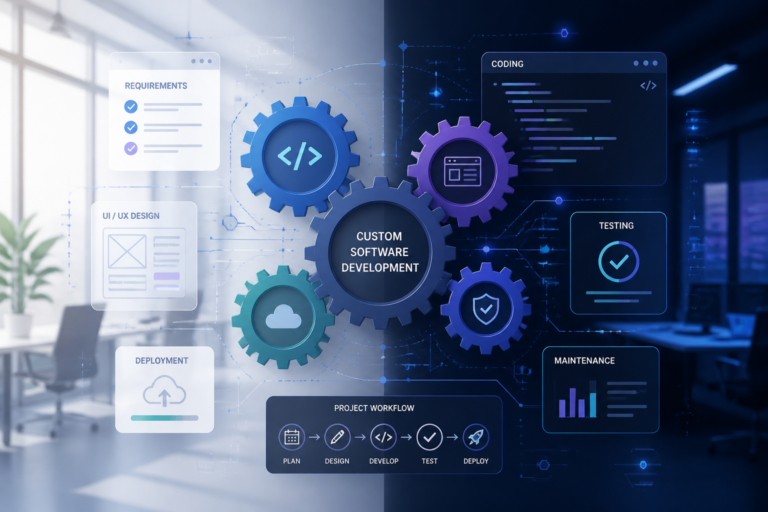
In today’s fast-paced digital landscape, businesses are increasingly recognizing the importance of custom software development. This tailored approach not only meets unique business needs but also drives efficiency and growth. For instance, custom software can streamline operations, enhance customer experience, and provide a competitive edge in the market. To facilitate this transformation, consider leveraging tools like the Agentic Consultant, which serves as a smart AI product representative and customer service agent for your website.
Custom software development involves creating software solutions specifically designed to address the distinct challenges and requirements of a business. Unlike off-the-shelf software, which caters to a broad audience, custom solutions are tailored to fit the unique processes and workflows of an organization. This guide will delve deeper into the various aspects of custom software development and its numerous advantages for businesses.
What is Custom Software Development?
Custom software development refers to the process of designing, creating, deploying, and maintaining software tailored to meet the specific needs of a business or organization. This approach allows companies to develop solutions that are unique to their operations, rather than relying on generic software that may not fully address their requirements.
Key Benefits of Custom Software Development
- Tailored Solutions: Custom software is built to fit the precise needs of a business, ensuring that features and functionalities align with organizational goals.
- Scalability: As businesses grow, their software needs may change. Custom solutions can be easily scaled to accommodate new requirements.
- Integration: Custom software can be designed to integrate seamlessly with existing systems, improving overall efficiency.
- Enhanced Security: Custom-built solutions often provide better security features, as they are specifically designed to address the unique vulnerabilities of a business.
- Competitive Advantage: By utilizing software tailored to their operations, businesses can gain a competitive edge over rivals who rely on off-the-shelf solutions.
When to Consider Custom Software Development
Businesses should seriously consider custom software development when they encounter the following scenarios:
- Existing solutions do not meet specific operational needs.
- There is a need for improved efficiency and productivity.
- Businesses require a solution that can scale as they grow.
- Off-the-shelf software lacks the necessary features or flexibility.
Understanding the Custom Software Development Process
The custom software development process typically involves several stages:
- Planning: Define the project’s scope, objectives, and requirements.
- Design: Create a blueprint for the software, including user interfaces and architecture.
- Development: Build the software according to the design specifications.
- Testing: Conduct thorough testing to ensure the software is functional and meets requirements.
- Deployment: Launch the software for use within the organization.
- Maintenance: Provide ongoing support and updates to ensure the software remains effective.
Cost Factors in Custom Software Development
The cost of custom software development can vary widely based on several factors:
- Complexity: More complex projects typically require more time and resources, increasing costs.
- Features and Functionality: The more features required, the higher the development costs.
- Development Team: The location and expertise of the development team can significantly impact pricing.
- Maintenance: Ongoing support and updates should also be factored into the overall budget.
To gain further insights into the costs associated with custom software, check our detailed guide on custom software development costs.
Why Choose the Agentic Consultant?
The Agentic Consultant is an excellent choice for businesses looking to enhance their customer interactions. Priced at just $19.99, this AI-driven tool serves as a product representative, customer service agent, and hands-free voice assistant. It can effectively address customer inquiries, provide product information, and streamline support processes. This not only improves customer satisfaction but also allows your team to focus on more complex tasks.
Moreover, the Agentic Consultant is designed for businesses of all sizes. Whether you’re a small startup or a large corporation, this tool can be tailored to meet your specific needs. However, it may not be suitable for businesses that require highly specialized or niche solutions that go beyond customer service functionalities.
To explore how the Agentic Consultant can transform your business, visit this link to learn more.
Related XoBytes Products

Agentic Consultant, Product Rep, & Customer Service Agent By XoBytes.com
$19.99
Agentic Consultant for WordPress gives your website a smart AI product rep, customer service agent, and hands-free voice…
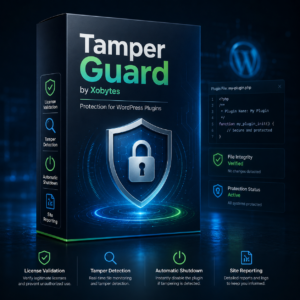
Tamper Guard by XoBytes | WordPress Plugin Tamper Detector
$25.00
Protect your commercial WordPress plugins with license-based tamper detection, file integrity monitoring, automatic shutdown protection, and site reporting.…
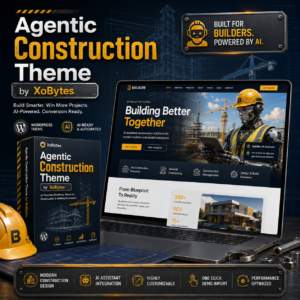
Agentic Construction Theme | More than just a theme | Built for all trades
$49.99
Why You Need This Theme And Plugin! Click here for the Demo Agentic Construction Theme by XoBytes is…
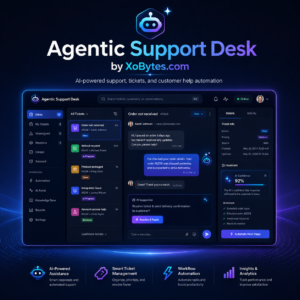
Agentic Support Desk for WordPress by XoBytes.com
$19.99
Agentic Support Desk by Xobytes is an AI-powered WordPress support desk built for software sellers, WooCommerce stores, agencies,…
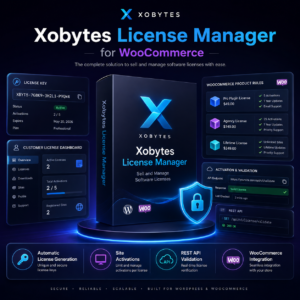
License manager for WooCommerce by XoBytes.com
$25.00
Xobytes License Manager for WooCommerce is a powerful WooCommerce license manager plugin that lets you sell software licenses,…
Product 1 of 6
Conclusion
In conclusion, custom software development offers a myriad of benefits for businesses looking to improve efficiency, scalability, and security. By investing in tailored solutions, organizations can gain a competitive edge and better meet the needs of their customers. If you are considering custom software, it’s essential to assess your specific requirements and explore available solutions, such as the Agentic Consultant, to enhance your business operations.
For additional authoritative context, review Facebook.
Practical Examples of Custom Software Development
To better understand the impact of custom software development, let’s explore some practical examples across various industries:
Continue with How Custom Software Development Can Transform Your Business Operations for additional XoBytes guidance.
- Healthcare: A hospital may develop a custom patient management system that integrates with existing electronic health records (EHR) to streamline patient scheduling, billing, and communication between departments.
- Retail: A retail company could create a custom inventory management system that tracks stock levels in real-time, predicts inventory needs based on sales trends, and integrates with e-commerce platforms for seamless operations.
- Finance: A financial services firm might develop a custom analytics tool that provides real-time insights into market trends, allowing for more informed investment decisions and risk management.
- Education: An educational institution could implement a custom learning management system (LMS) that caters to their unique curriculum requirements and enhances student engagement through personalized learning paths.
Comparing Custom Software Development to Off-the-Shelf Solutions
When deciding between custom software development and off-the-shelf solutions, it’s essential to weigh the pros and cons of each approach:
Custom Software Development
- Pros:
- Tailored functionalities to meet specific business needs.
- Greater flexibility for future modifications and scalability.
- Improved integration with existing systems.
- Enhanced security measures tailored to business vulnerabilities.
- Cons:
- Higher initial investment compared to off-the-shelf solutions.
- Longer development time.
- Requires ongoing maintenance and updates.
Off-the-Shelf Solutions
- Pros:
- Lower upfront costs and quicker implementation.
- Established support and community resources.
- Regular updates and feature enhancements from the vendor.
- Cons:
- Limited customization options that may not fit specific business processes.
- Potential integration challenges with existing systems.
- Ongoing licensing fees that can accumulate over time.
Key Implementation Steps for Custom Software Development
Implementing custom software requires careful planning and execution. Here are the key steps to ensure a successful development process:
- Define Objectives: Clearly outline the goals and objectives of the software. What problems is it intended to solve?
- Conduct Market Research: Analyze competitors and industry trends to identify features that will provide a competitive advantage.
- Select a Development Team: Choose a skilled development team with experience in your industry and the specific technologies required.
- Develop a Minimum Viable Product (MVP): Start with an MVP to test core functionalities and gather user feedback before full-scale development.
- Iterate Based on Feedback: Use feedback from users to make necessary adjustments and improvements throughout the development process.
- Launch and Monitor: After deployment, continuously monitor the software’s performance and gather user feedback for future enhancements.
Decision Criteria for Custom Software Development
When considering custom software development, businesses should evaluate the following criteria:
- Business Goals: Does the software align with the overall strategic goals of the organization?
- Budget: Is there a budget allocated for development, maintenance, and future updates?
- Timeline: What is the desired timeline for implementation? Can the business afford to wait for a custom solution?
- Scalability Needs: Will the software need to scale in the future as the business grows?
- User Experience: How important is the user experience, and what specific features are required to enhance it?
Frequently Asked Questions
Below are some common questions regarding custom software development:
- What is the main difference between custom developed software and off-the-shelf solutions?
Custom developed software is tailored specifically to a business’s unique needs, offering greater flexibility and integration, while off-the-shelf solutions are ready-made products designed for general use. - When should a business consider developing custom software?
Businesses should consider custom software when off-the-shelf options cannot meet their specific requirements, or when they need scalable, integrated, and efficient solutions that provide a competitive advantage. - What are the typical costs associated with custom software development?
Costs vary depending on project complexity, features, and scope, but generally include planning, design, development, testing, and ongoing maintenance. Refer to our related guides for detailed cost insights.