
In today’s competitive business landscape, organizations are consistently seeking ways to improve efficiency and streamline operations. One of the most effective strategies for achieving this is through custom software development. By creating tailored solutions that meet the unique needs of a business, companies can transform their operations and gain a significant competitive edge.
Custom software development refers to the process of designing and building software applications specifically for a business’s requirements. This approach contrasts sharply with off-the-shelf software solutions, which are designed for a broad audience and often fail to address the specific challenges faced by individual organizations.
In this article, we will explore how custom software development can transform your business operations, the benefits it offers, and key considerations for successful implementation.
For useful background on this topic, see How Custom Software Development Can Transform Your Business in 2026.
Understanding Custom Software Development
Custom software development involves the creation of applications tailored to the unique needs of a business. It encompasses various stages, including planning, design, development, testing, and deployment. This process ensures that the final product aligns perfectly with the business’s objectives and workflows.
Moreover, custom software can be integrated with existing systems, enhancing overall functionality. For example, a business might require a custom CRM solution that seamlessly integrates with its current data management systems, leading to improved data handling and customer relationship management.
Benefits of Custom Software Development
Investing in custom software development can yield numerous benefits for businesses, including:
- Increased Efficiency: Custom solutions are designed to enhance operational efficiency by automating repetitive tasks and streamlining workflows.
- Scalability: Custom software can grow with your business, allowing for easy updates and expansions as needs change.
- Enhanced Security: Tailored software solutions can incorporate advanced security features that protect sensitive data and comply with industry regulations.
- Improved User Experience: Custom applications can be designed with user experience in mind, ensuring that they are intuitive and easy to use.
- Competitive Advantage: By providing unique features and functionalities, custom software can help businesses stand out in their respective markets.
Key Considerations for Successful Custom Software Development
To maximize the benefits of custom software development, businesses should consider several key factors:
- Define Clear Objectives: Before starting the development process, it is crucial to clearly define the goals and objectives of the software. This ensures that the final product aligns with business needs.
- Choose the Right Development Partner: Selecting an experienced software development company is essential for ensuring quality and reliability. Look for partners with a proven track record in delivering successful projects.
- Involve Stakeholders: Engaging relevant stakeholders throughout the development process can provide valuable insights and help identify potential challenges early on.
- Prioritize Testing: Rigorous testing is critical to ensure that the software functions as intended and meets quality standards. Implementing feedback loops during this phase can improve the final product.
As a result, by focusing on these considerations, businesses can enhance their chances of successful custom software development.
For a practical companion to this section, explore How Custom Build Software Development Transforms Business Operations.
Real-World Examples of Custom Software Development
Many organizations have successfully leveraged custom software development to improve their operations. For instance:
- A Retail Company: A retail business developed a custom inventory management system that integrated with their point-of-sale system, leading to reduced stock discrepancies and improved sales tracking.
- A Healthcare Provider: A healthcare provider created a custom patient management system that streamlined appointment scheduling and improved patient communication, enhancing overall patient satisfaction.
- A Financial Institution: A financial institution developed a tailored compliance tracking system that ensured adherence to regulatory requirements, reducing the risk of penalties.
These examples illustrate how custom software can drive operational improvements across various industries.
Conclusion
In conclusion, custom software development holds the potential to transform your business operations significantly. By investing in tailored solutions, organizations can enhance efficiency, improve user experience, and gain a competitive edge in their market. As technology continues to evolve, embracing custom software development will be essential for businesses seeking to thrive in a dynamic landscape.
Related XoBytes Products

Agentic Consultant, Product Rep, & Customer Service Agent By XoBytes.com
$19.99
Agentic Consultant for WordPress gives your website a smart AI product rep, customer service agent, and hands-free voice…

Agentic Construction Theme | More than just a theme | Built for all trades
$49.99
Why You Need This Theme And Plugin! Click here for the Demo Agentic Construction Theme by XoBytes is…
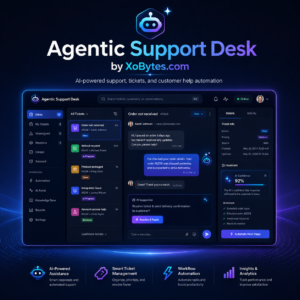
Agentic Support Desk for WordPress by XoBytes.com
$19.99
Agentic Support Desk by Xobytes is an AI-powered WordPress support desk built for software sellers, WooCommerce stores, agencies,…

Agent Shield by XoBytes | Protect against agentic software
$25.00
AgentShield is a WordPress AI Agent Firewall that helps detect, monitor, block, and temporarily ban AI crawlers, AI…

Tamper Guard by XoBytes | WordPress Plugin Tamper Detector
$25.00
Protect your commercial WordPress plugins with license-based tamper detection, file integrity monitoring, automatic shutdown protection, and site reporting.…
Product 1 of 6
Implementation Steps for Custom Software Development
Successfully implementing custom software development requires a structured approach. Here are the essential steps to follow:
Continue with Top Strategies for Successful Custom Software Development in Modern Businesses for additional XoBytes guidance.
- Needs Assessment: Conduct a thorough assessment of your business processes to identify specific needs and gaps that the custom software should address.
- Research and Planning: Research potential solutions and plan the project scope, timeline, and budget. This stage may involve consulting with stakeholders to gather insights.
- Design Prototyping: Create prototypes or wireframes to visualize the software’s layout and functionality. This helps in gathering feedback before full-scale development begins.
- Development: Begin the development process, focusing on coding the software according to the defined specifications. Regular updates and communication with stakeholders are crucial during this phase.
- Testing: Conduct comprehensive testing, including unit testing, integration testing, and user acceptance testing, to ensure the software meets quality standards.
- Deployment: Roll out the software to users, ensuring that all necessary training and support are provided for a smooth transition.
- Post-Launch Support: After deployment, provide ongoing support and maintenance to address any issues and implement updates as needed.
Comparative Analysis: Custom Software vs. Off-the-Shelf Solutions
When deciding between custom software and off-the-shelf solutions, it is important to consider the following factors:
- Cost: Custom software often requires a higher initial investment compared to off-the-shelf solutions. However, it can lead to long-term savings through increased efficiency and reduced licensing fees.
- Flexibility: Custom software offers greater flexibility to adapt to changing business needs, whereas off-the-shelf solutions may have limitations in customization.
- Integration: Custom software can be designed to integrate seamlessly with existing systems, while off-the-shelf solutions might not offer the same level of compatibility.
- Support: Custom software development typically includes ongoing support from the development team, while off-the-shelf solutions may rely on general customer service.
- Scalability: Custom solutions can be built to scale with your business, accommodating growth without the need for a complete overhaul.
Key Performance Indicators (KPIs) for Measuring Success
To evaluate the effectiveness of your custom software development, consider tracking the following KPIs:
- Operational Efficiency: Measure the reduction in time spent on manual tasks and the overall improvement in workflow efficiency.
- User Adoption Rate: Track how quickly and effectively employees are adopting the new software, which can indicate its usability and effectiveness.
- Return on Investment (ROI): Calculate the financial benefits gained from the software compared to the initial investment and ongoing costs.
- Customer Satisfaction: Assess feedback from customers regarding their experience with any new features or improvements resulting from the custom software.
- Error Rate: Monitor the frequency of errors or issues encountered with the software, as a decrease can indicate improved performance.
Future Trends in Custom Software Development
As technology continues to evolve, several trends are shaping the future of custom software development:
- Artificial Intelligence and Machine Learning: Incorporating AI and ML can enhance software capabilities, providing predictive analytics and personalized user experiences.
- Low-Code and No-Code Development: These platforms enable faster development and allow non-technical users to create applications, making custom software more accessible.
- Cloud-Based Solutions: Increasing reliance on cloud technology allows for greater scalability and accessibility, enabling businesses to access their software from anywhere.
- Agile Development Methodologies: Emphasizing flexibility and iterative progress, agile methodologies are becoming more prevalent in custom software development, allowing for quicker adaptations to changes.
Frequently Asked Questions
Below are some common questions regarding custom software development:
- What is custom software development? Custom software development is the process of creating software solutions tailored specifically to a business’s unique needs, rather than using generic, off-the-shelf tools.
- When should a business consider custom software development? A business should consider custom software development when existing solutions do not meet specific operational requirements, or when tailored features can provide a competitive advantage.
- What are the benefits of custom software for small businesses? Custom software can improve efficiency, enhance customer experience, provide better integration with existing systems, and support unique business processes.
- How does custom software development differ from standard software? Unlike standard software, which is designed for a broad audience, custom software is built specifically to address the particular needs and workflows of a single business.