
In today’s fast-paced digital landscape, businesses increasingly seek custom software solutions to meet their unique needs. However, understanding the cost of developing custom software can be challenging. Many factors play a role in determining these costs, and being aware of them can help businesses budget more effectively. In this article, we will explore the key factors that influence the cost of developing custom software platforms.
Understanding Custom Software Development
Custom software development involves creating software tailored to specific business requirements. Unlike off-the-shelf solutions, custom software offers flexibility and scalability, allowing businesses to adapt to changing market conditions. However, this level of customization comes with a price. Therefore, understanding the various factors that influence development costs is essential for effective budgeting.
Key Factors Influencing Custom Software Costs
To make this easier, let’s break down the key factors that influence the cost of developing custom software:
- Project Complexity: The more complex the project, the higher the cost. Complex features, integrations, and user interfaces require more time and expertise.
- Technology Stack: Different technologies come with varying costs. Choosing the right technology stack can impact both development time and expenses.
- Development Team Expertise: Experienced developers may charge higher rates, but their expertise can lead to better quality and faster delivery.
- Geographical Location: The location of the development team can affect costs. For instance, developers in North America typically charge more than those in Eastern Europe or Asia.
- Timeframe: Tight deadlines can increase costs. If a project must be completed quickly, developers may need to allocate more resources, leading to higher expenses.
- Maintenance and Support: Ongoing support and maintenance should be factored into the overall cost. Custom software requires regular updates and bug fixes.
Estimating Costs for Custom Software Development
Estimating the cost of developing custom software involves analyzing several variables. Here are some steps to help you make more accurate estimations:
For useful background on this topic, see Key Factors That Affect the Cost to Develop Custom Software Platforms.
- Define Project Requirements: Clearly outline what features and functionalities your software needs. This will help in getting precise quotes from developers.
- Research Technology Options: Explore different technology stacks and their associated costs. This can significantly impact your budget.
- Consult with Developers: Engage with multiple development teams to obtain quotes. This will give you a better understanding of the market rates.
- Consider Long-term Costs: Factor in ongoing maintenance, updates, and potential scalability needs when estimating total costs.
Budgeting for Custom Software Development
Effective budgeting for custom software development is crucial for project success. Here are some tips to help you manage your budget:
- Set a Realistic Budget: Understand the typical costs associated with custom software development and set a budget that reflects this.
- Prioritize Features: If budget constraints exist, prioritize essential features to ensure the project remains feasible within your budget.
- Allocate for Contingencies: Always include a buffer in your budget for unexpected costs that may arise during development.
Common Misconceptions About Custom Software Costs
There are several misconceptions surrounding the costs of custom software development. Addressing these can lead to better understanding:
- Custom Software is Always Expensive: While custom solutions can be costly, they often provide more value in the long run by addressing specific business needs.
- All Developers Charge the Same Rates: Rates can vary significantly based on location, expertise, and technology used.
- Once Developed, Costs Stop: Custom software requires ongoing maintenance, which is an ongoing expense that should be factored into the budget.
Conclusion
In conclusion, understanding the key factors that influence the cost of developing custom software platforms is essential for effective budgeting. By considering project complexity, technology stack, team expertise, and other variables, businesses can make informed decisions that align with their financial capabilities. Ultimately, investing in custom software can yield significant returns by enhancing efficiency and meeting unique business needs.
To learn more about estimating custom software development costs, check out our article on Estimating the Cost of Developing Your Custom Software Platform.
Related XoBytes Products

Agentic Consultant, Product Rep, & Customer Service Agent By XoBytes.com
$19.99
Agentic Consultant for WordPress gives your website a smart AI product rep, customer service agent, and hands-free voice…
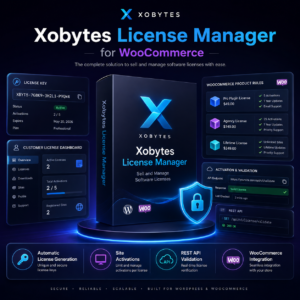
License manager for WooCommerce by XoBytes.com
$25.00
Xobytes License Manager for WooCommerce is a powerful WooCommerce license manager plugin that lets you sell software licenses,…

Agent Shield by XoBytes | Protect against agentic software
$25.00
AgentShield is a WordPress AI Agent Firewall that helps detect, monitor, block, and temporarily ban AI crawlers, AI…
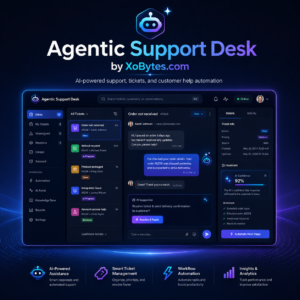
Agentic Support Desk for WordPress by XoBytes.com
$19.99
Agentic Support Desk by Xobytes is an AI-powered WordPress support desk built for software sellers, WooCommerce stores, agencies,…
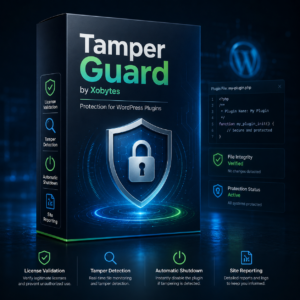
Tamper Guard by XoBytes | WordPress Plugin Tamper Detector
$25.00
Protect your commercial WordPress plugins with license-based tamper detection, file integrity monitoring, automatic shutdown protection, and site reporting.…

Social Media Autopilot With AI by XoBytes.com
$19.99
Xobytes Social Autopilot is a WordPress social media autoposter that helps schedule and promote posts, pages, WooCommerce products,…
Product 1 of 6
Understanding the Development Process
To grasp the cost implications of custom software development, it is essential to understand the development process itself. This process typically involves several stages, each contributing to the overall cost.
1. Discovery Phase
The discovery phase is crucial for defining the project’s scope and understanding user requirements. During this stage, stakeholders collaborate to outline objectives, functionalities, and user journeys. This phase can significantly impact costs, as thorough research and planning can prevent costly changes later in the development process.
2. Design Phase
Once the project requirements are established, the design phase begins. This includes creating wireframes and prototypes to visualize the software’s layout and user experience. High-quality design can enhance usability but may also increase costs. Investing in user-centered design can lead to a more effective product.
3. Development Phase
The development phase is where the actual coding takes place. This phase can be broken down into:
- Frontend Development: Focuses on the user interface and user experience.
- Backend Development: Involves server-side logic, database management, and application functionality.
The complexity of features developed during this phase directly affects costs. For instance, integrating third-party APIs or implementing advanced security measures can add to the budget.
4. Testing Phase
Testing is a critical phase that ensures the software functions as intended. It includes:
- Unit Testing: Verifying individual components for correct functionality.
- Integration Testing: Ensuring that different modules work together seamlessly.
- User Acceptance Testing (UAT): Gathering feedback from end-users to validate the software meets their needs.
Thorough testing can prevent costly post-launch fixes but requires time and resources, impacting the overall cost.
Continue with Cost Breakdown: Building Custom Software Development Platforms for Business Success for additional XoBytes guidance.
5. Deployment Phase
Deployment involves launching the software for use. This phase may include additional costs for server setup, cloud services, or app store fees. Proper deployment ensures that the software is accessible to users without issues, which is vital for user satisfaction.
Comparing Custom Software Development with Off-the-Shelf Solutions
When considering the cost of developing custom software, it is essential to compare it with off-the-shelf solutions. Here are some key differences:
Customization
- Custom Software: Tailored to specific business needs, providing flexibility and adaptability.
- Off-the-Shelf Software: Generally offers limited customization options, which may not fully address unique requirements.
Initial Costs
- Custom Software: Higher initial investment due to development costs but can lead to better ROI over time.
- Off-the-Shelf Software: Lower upfront costs, but ongoing licensing fees and potential costs for additional features may accumulate.
Long-term Value
- Custom Software: Designed for scalability, potentially reducing costs as the business grows.
- Off-the-Shelf Software: May require costly upgrades or replacements as business needs evolve.
Implementation Steps for Custom Software Development
Implementing custom software requires careful planning and execution. Here are the essential steps to ensure a successful development process:
- Define Goals: Clearly outline what you want to achieve with the software.
- Choose the Right Development Partner: Select a development team with the necessary expertise and experience.
- Establish a Timeline: Create a realistic timeline that includes milestones for each development phase.
- Communicate Regularly: Maintain open lines of communication with the development team to address any issues promptly.
- Gather Feedback: Involve stakeholders throughout the process to ensure the software meets expectations.
- Plan for Launch: Prepare for deployment by ensuring all systems are in place for a smooth transition.
By following these steps, businesses can effectively manage the costs associated with custom software development while ensuring a successful outcome.
Frequently Asked Questions
Here are some common questions regarding the costs of developing custom software:
- What are the main factors affecting custom software development costs? The main factors include project complexity, team expertise, technology stack, and desired features.
- How can I estimate the cost of developing custom software? You can estimate costs by analyzing project requirements, consulting with developers, and considering the time involved.
- What is the average cost of custom software development? The average cost varies widely depending on the project’s scope, ranging from a few thousand to several hundred thousand dollars.