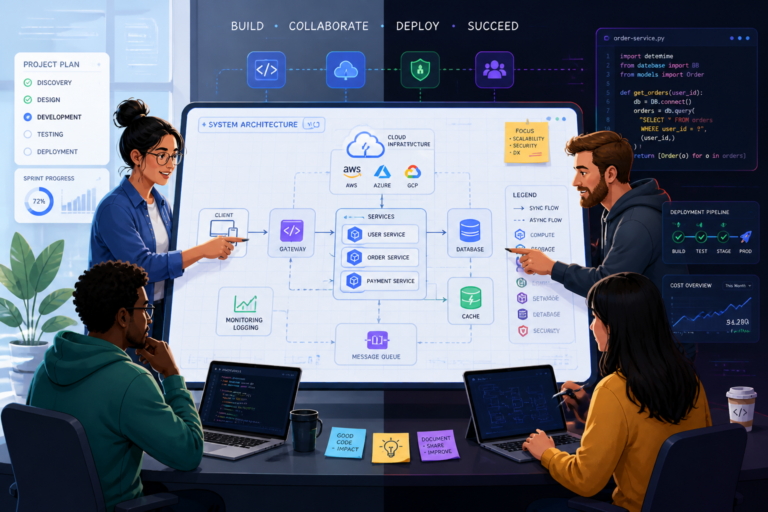
In today’s rapidly evolving digital landscape, businesses are increasingly recognizing the significance of custom software development. However, understanding the true cost to build a custom software development platform is crucial for making informed decisions. Therefore, in this article, we will explore the various factors that influence costs, provide insights into budgeting, and guide you through the entire process.
What is Custom Software Development?
Custom software development refers to the process of designing software applications that are tailored specifically to meet the unique needs of a business. Unlike off-the-shelf solutions, custom software is built from the ground up, ensuring it aligns perfectly with the organization’s operations and goals. This approach allows businesses to enhance efficiency, improve workflows, and gain a competitive edge.
Key Factors Influencing the Cost
Understanding the true cost of building a custom software development platform involves examining a variety of factors. Here are some critical elements to consider:
- Project Complexity: The more complex the project, the higher the cost. Complex features, integrations, and functionalities can significantly increase development time and resources.
- Required Features: The specific features you want in your software will impact the overall cost. Essential features may include user authentication, data management, and reporting tools.
- Design Specifications: A well-thought-out design enhances user experience but may also increase costs. Custom UI/UX design requires additional resources and expertise.
- Development Team Expertise: The experience and expertise of your development team can affect costs. Highly skilled developers may charge more but can provide better quality work.
- Technology Stack: The choice of programming languages, frameworks, and tools will also influence the cost. Some technologies may have higher licensing fees or require specialized skills.
Estimating the Cost of Custom Software Development
Estimating the cost to build a custom software development platform requires careful consideration of all the factors mentioned above. To make this easier, here are some steps you can follow:
- Define Your Requirements: Clearly outline your project requirements and objectives. This will help you communicate effectively with your development team.
- Research Similar Projects: Look for case studies or examples of similar projects to gauge potential costs. This can provide valuable insights into budgeting.
- Consult with Experts: Engaging with software development consultants can help you understand the market and get accurate estimates.
- Consider Long-Term Costs: Remember to factor in ongoing maintenance, updates, and potential scaling costs in your budget.
For more detailed insights, you may want to check out our article on How Much Does It Cost to Build a Custom Software Development Platform?
Budgeting for Custom Software Development
Budgeting effectively for custom software development is essential. To do this, consider the following tips:
- Set a Realistic Budget: Based on your research and estimates, establish a budget that reflects the true costs while allowing for flexibility.
- Prioritize Features: Identify which features are essential and which can be added later. This approach can help manage costs.
- Allocate for Testing: Ensure your budget includes adequate resources for testing and quality assurance to avoid costly issues later.
- Plan for Maintenance: Don’t forget to budget for ongoing maintenance and updates to keep your software running smoothly.
Benefits of Custom Software Development
The investment in custom software development brings numerous benefits, including:
For a practical companion to this section, explore Understanding the True Cost of Building Custom Software Development Platforms.
- Tailored Solutions: Custom software is designed to meet your specific business needs, leading to improved efficiency.
- Scalability: Custom solutions can grow with your business, allowing for easy updates and feature additions.
- Competitive Advantage: By using custom software, businesses can differentiate themselves from competitors who rely on generic solutions.
Challenges to Consider
While custom software development offers many advantages, there are challenges to be aware of:
Related XoBytes Products

Agentic Consultant, Product Rep, & Customer Service Agent By XoBytes.com
$19.99
Agentic Consultant for WordPress gives your website a smart AI product rep, customer service agent, and hands-free voice…
Agentic Support Desk for WordPress by XoBytes.com
$19.99
Agentic Support Desk by Xobytes is an AI-powered WordPress support desk built for software sellers, WooCommerce stores, agencies,…

Agent Shield by XoBytes | Protect against agentic software
$25.00
AgentShield is a WordPress AI Agent Firewall that helps detect, monitor, block, and temporarily ban AI crawlers, AI…

Agentic Construction Theme | More than just a theme | Built for all trades
$49.99
Why You Need This Theme And Plugin! Click here for the Demo Agentic Construction Theme by XoBytes is…
Tamper Guard by XoBytes | WordPress Plugin Tamper Detector
$25.00
Protect your commercial WordPress plugins with license-based tamper detection, file integrity monitoring, automatic shutdown protection, and site reporting.…
License manager for WooCommerce by XoBytes.com
$25.00
Xobytes License Manager for WooCommerce is a powerful WooCommerce license manager plugin that lets you sell software licenses,…
Product 1 of 6
- Higher Initial Costs: Custom solutions typically require a larger upfront investment compared to off-the-shelf software.
- Longer Development Time: Building custom software can take longer, depending on the project’s complexity and requirements.
- Ongoing Maintenance Needs: Custom software requires regular updates and maintenance, which can add to long-term costs.
In contrast, off-the-shelf software may be less expensive initially but often lacks the flexibility and customization that many businesses require.
Conclusion
Understanding the true cost to build a custom software development platform is essential for any business looking to invest in tailored solutions. By considering the factors that influence costs, effectively budgeting, and recognizing the benefits and challenges, you can make informed decisions that align with your business goals. If you are ready to take the next step in your software development journey, explore our offerings at XoBytes.
Practical Examples of Custom Software Development
To better understand the true cost of custom software development, let’s look at some practical examples across different industries:
Continue with Cost Breakdown: Building Custom Software Development Platforms for Business Success for additional XoBytes guidance.
- Healthcare: A hospital may require a custom patient management system that integrates with existing medical devices and complies with health regulations. The complexity of the required integrations can significantly impact the overall cost.
- E-commerce: An online retailer might need a tailored platform that includes unique features like personalized shopping experiences and advanced analytics. The cost will vary based on the number of features and the technology stack used.
- Finance: A financial institution may seek a custom software solution for secure transactions and data analytics. Given the sensitivity of financial data, the cost for security measures and compliance can be substantial.
Comparing Custom Software to Off-the-Shelf Solutions
When considering custom software development, it’s essential to compare it with off-the-shelf solutions. Here are some key differences:
| Criteria | Custom Software | Off-the-Shelf Software |
|---|---|---|
| Cost | Higher initial investment but tailored to needs | Lower upfront cost but may incur additional fees for customization |
| Flexibility | Highly flexible, can evolve with business | Limited flexibility, may not meet specific needs |
| Support | Dedicated support tailored to your software | General support, may not address specific issues |
| Time to Deploy | Longer development time | Quick to implement |
Implementation Steps for Custom Software Development
Once you have decided to pursue custom software development, following a structured implementation process can help manage costs and expectations:
- Requirement Gathering: Collaborate with stakeholders to gather detailed requirements.
- Prototyping: Create a prototype to visualize the software and gather feedback early in the process.
- Development: Begin the development process, ensuring regular communication between developers and stakeholders.
- Testing: Conduct thorough testing to identify and fix bugs before launch.
- Deployment: Roll out the software to users, providing training and resources as needed.
- Post-Launch Support: Plan for ongoing maintenance and updates to ensure the software remains efficient and relevant.
Decision Criteria for Choosing Custom Software Development
Before committing to custom software development, consider the following decision criteria:
- Business Needs: Assess whether your current software solutions meet your business needs or if customization is essential.
- Budget Constraints: Determine if your budget can accommodate the initial and ongoing costs of custom development.
- Long-Term Vision: Consider your long-term business goals and whether custom software aligns with them.
- Resource Availability: Evaluate if you have the internal resources or expertise to manage a custom development project.
Frequently Asked Questions
Here are some common questions regarding the cost of custom software development:
- What factors influence the cost of custom software development? Factors include project complexity, required features, design specifications, and development team expertise.
- How can I estimate the cost of building custom software? You can estimate costs by analyzing project requirements, comparing similar projects, and consulting with development experts.
- Is custom software worth the investment? Yes, custom software can provide tailored solutions that enhance business efficiency and meet specific needs.