
Building a custom software platform can be a significant investment for businesses. Therefore, understanding the cost breakdown and budgeting effectively is crucial for making informed decisions. In this article, we will explore the various costs involved in custom software development and provide essential budgeting tips to help you optimize your project.
Understanding the Cost Breakdown
When it comes to custom software platforms, the cost breakdown typically includes several key components:
- Development Costs: This is often the largest part of your budget. It includes the salaries of developers and any fees for third-party services.
- Design Costs: User experience and interface design are crucial. Investing in good design can significantly impact user satisfaction and adoption rates.
- Testing Costs: Quality assurance is essential to ensure your software works as intended. Testing can include unit testing, integration testing, and user acceptance testing.
- Deployment Costs: This includes hosting fees, domain registration, and any necessary infrastructure to run your software.
- Maintenance Costs: After launch, ongoing support and updates are necessary to keep your software running smoothly.
Key Factors Influencing Costs
Several factors can influence the overall cost of developing custom software platforms. Understanding these can help you make informed budgeting decisions:
- Project Scope: The more features and functionalities you require, the higher the cost. Clearly defining the scope can help control expenses.
- Technology Stack: The choice of technology can significantly affect development time and costs. More complex technologies may require specialized skills, increasing labor costs.
- Development Team: The experience and location of your development team can impact costs. Hiring local talent may be more expensive than outsourcing to regions with lower labor costs.
- Integration Needs: If your software needs to integrate with other systems or platforms, this can add complexity and cost to the project.
Budgeting Tips for Custom Software Development
To effectively budget for your custom software project, consider the following tips:
For useful background on this topic, see Cost Breakdown: Building Custom Software Development Platforms for Business Success.
- Define Your Requirements: Clearly outline what you need from the software. This will help in estimating costs more accurately.
- Research and Compare: Look at similar projects in your industry to gauge potential costs. This can provide a benchmark for your budget.
- Include a Contingency Fund: Unexpected issues often arise during development. Allocating 10-20% of your budget for contingencies can help mitigate risks.
- Track Expenses: Regularly monitor your spending against the budget to ensure you stay on track. This can help identify areas where you may need to adjust or reallocate funds.
- Review and Adjust: Be flexible with your budget. As the project evolves, you may need to adjust your spending based on new insights or changes in scope.
Common Misconceptions About Custom Software Costs
Many businesses have misconceptions about the costs associated with custom software development. Here are a few:
- Custom Software is Always Expensive: While custom solutions can require a larger upfront investment than off-the-shelf software, they often provide better ROI in the long run.
- All Costs Are Upfront: Many businesses overlook ongoing costs like maintenance and updates. It’s crucial to budget for the entire lifecycle of the software.
- Custom Software is Only for Large Businesses: Small and medium-sized businesses can also benefit from custom solutions tailored to their specific needs.
Integrating Cost Management Tools
To streamline budgeting and cost management, consider integrating specialized tools into your project management process. Tools like project management software can help you track expenses and manage resources effectively. For example, using tools like Trello or Asana can help visualize project tasks and timelines, making it easier to manage costs.
Conclusion
In conclusion, understanding the cost breakdown of custom software platforms is essential for effective budgeting. By considering all elements of the development process and employing strategic budgeting techniques, businesses can optimize their software investment. Remember to regularly review your budget and adjust as necessary to ensure your project remains on track.
Related XoBytes Products

Agentic Consultant, Product Rep, & Customer Service Agent By XoBytes.com
$19.99
Agentic Consultant for WordPress gives your website a smart AI product rep, customer service agent, and hands-free voice…
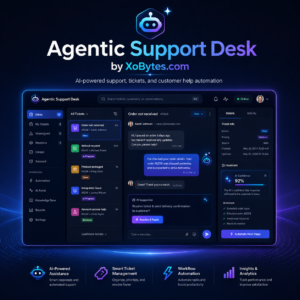
Agentic Support Desk for WordPress by XoBytes.com
$19.99
Agentic Support Desk by Xobytes is an AI-powered WordPress support desk built for software sellers, WooCommerce stores, agencies,…

Agent Shield by XoBytes | Protect against agentic software
$25.00
AgentShield is a WordPress AI Agent Firewall that helps detect, monitor, block, and temporarily ban AI crawlers, AI…
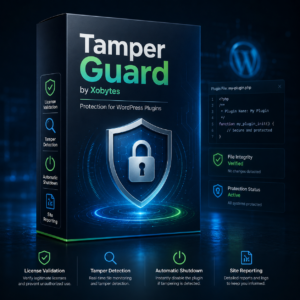
Tamper Guard by XoBytes | WordPress Plugin Tamper Detector
$25.00
Protect your commercial WordPress plugins with license-based tamper detection, file integrity monitoring, automatic shutdown protection, and site reporting.…
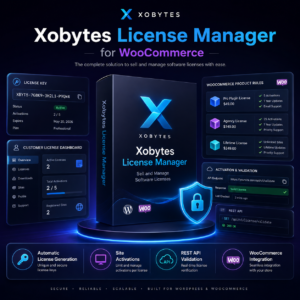
License manager for WooCommerce by XoBytes.com
$25.00
Xobytes License Manager for WooCommerce is a powerful WooCommerce license manager plugin that lets you sell software licenses,…

Plugin Update Server for WordPress by XoBytes.com
$25.00
Plugin Update Server by XoBytes lets WordPress plugin sellers deliver private plugin updates directly to customer dashboards. Upload…
Product 1 of 6
Practical Examples of Cost Breakdown
To better understand how the cost breakdown works in real-world scenarios, let’s look at a couple of practical examples:
Example 1: E-commerce Platform
For a custom e-commerce platform, the cost breakdown might look like this:
For a practical companion to this section, explore How to Accurately Estimate the Cost to Build a Custom Software Development Platform.
- Development Costs: $50,000
- Design Costs: $15,000
- Testing Costs: $10,000
- Deployment Costs: $5,000
- Maintenance Costs: $2,000/year
This totals approximately $80,000 for the initial launch, with ongoing costs for maintenance.
Example 2: Mobile Application
For a custom mobile application, the breakdown might differ:
- Development Costs: $70,000
- Design Costs: $20,000
- Testing Costs: $15,000
- Deployment Costs: $3,000
- Maintenance Costs: $5,000/year
Here, the total initial investment would be around $108,000, highlighting the importance of tailoring your budget to the specific type of software.
Comparing Custom Software Development with Off-the-Shelf Solutions
When deciding between custom software and off-the-shelf solutions, consider the following factors:
- Cost: Custom software usually requires a higher initial investment, but it can lead to lower long-term costs through improved efficiency.
- Flexibility: Custom solutions can be tailored to specific business needs, whereas off-the-shelf solutions may require compromises.
- Scalability: Custom software can grow with your business, while off-the-shelf solutions might limit your scalability options.
- Support and Updates: Custom software often comes with dedicated support, while off-the-shelf products may have less personalized service.
By weighing these factors, you can make a more informed decision on which route to take for your software needs.
Continue with Key Factors That Affect the Cost to Develop Custom Software Platforms for additional XoBytes guidance.
Implementation Steps for Custom Software Development
Once you decide to go with custom software, follow these implementation steps to ensure a smooth process:
- Define Your Goals: Clearly articulate what you want to achieve with the software.
- Choose the Right Development Team: Select a team with experience in your industry and the required technology stack.
- Create a Detailed Project Plan: Outline timelines, milestones, and deliverables to keep the project on track.
- Iterative Development: Use agile methodologies to allow for flexibility and adjustments throughout the development process.
- Conduct Thorough Testing: Implement rigorous testing phases to identify and rectify issues before launch.
- Plan for Deployment: Ensure all deployment logistics, including server setup and user training, are in place.
- Establish a Maintenance Plan: Set up a schedule for regular updates and support to keep the software running optimally.
Following these steps will help ensure that your custom software development project is not only successful but also aligns with your budgetary constraints.
Decision Criteria for Custom Software Development
When considering custom software development, evaluate the following decision criteria:
- Business Needs: Is there a clear need for a custom solution that off-the-shelf software cannot meet?
- Budget Constraints: Do you have the financial resources to invest in custom development?
- Timeframe: What is your timeline for implementation? Custom solutions often take longer to develop.
- Long-term Vision: How do you envision your business evolving, and will custom software support that vision?
By carefully considering these criteria, you can make a more strategic decision regarding your software development approach.
Frequently Asked Questions
Building a custom software platform can be a complex process with many considerations. Here are some frequently asked questions to help guide you:
- What are the main costs associated with custom software development? The main costs include development, design, testing, deployment, and ongoing maintenance. Each phase has unique expenses that need careful budgeting.
- How can I effectively budget for a custom software project? Start by defining project requirements, estimate costs for each phase, and allocate a contingency fund for unexpected expenses.
- What factors influence the cost of custom software platforms? Factors include project complexity, required features, team expertise, and technology stacks. Understanding these can help in accurate cost estimation.
By following these guidelines and tips, you can create a comprehensive budget that ensures your custom software project is successful and cost-effective.