
Building a custom software development platform can be a significant investment for businesses. Therefore, understanding the costs involved is crucial for making informed decisions. In this article, we will explore how to accurately estimate the cost to build a custom software development platform, focusing on key factors, methodologies, and best practices.
Understanding Custom Software Development Costs
Custom software development costs can vary widely based on several factors. For example, the complexity of the project, the required features, and the development team’s location all play a role in determining the final price. Moreover, understanding these factors can help businesses budget effectively and avoid unexpected expenses.
Key Factors Influencing Development Costs
When estimating the cost of developing a custom software platform, consider the following key factors:
- Project Scope: Clearly define the scope of your project, including the features and functionalities you need.
- Development Team: The experience and location of your development team can significantly impact costs. For example, hiring a local team may be more expensive than outsourcing to developers in other countries.
- Technology Stack: The choice of technology stack can also influence costs. For instance, some technologies may require more specialized skills, which can be pricier.
- Maintenance and Support: Factor in ongoing maintenance and support costs, which are essential for ensuring your software remains functional and secure over time.
Estimating the Cost of Custom Software Development
To make the estimation process easier, follow these steps:
- Define the Project Requirements: Start by compiling a detailed list of features and functionalities that your software must have.
- Consult with Experts: Engage with software development professionals who can provide insights into the cost implications of your requirements.
- Request Multiple Quotes: Obtain quotes from different development teams to compare prices and services offered.
- Consider Hidden Costs: Be aware of potential hidden costs, such as licensing fees, hosting, and ongoing maintenance.
For more detailed guidance, check out our post on How Much Does It Cost to Build a Custom Software Development Platform? A Complete Guide.
Common Pricing Models for Software Development
Different development teams may offer various pricing models. Here are some common ones:
- Fixed Price: This model is based on a predetermined project cost. It is suitable for projects with well-defined requirements.
- Time and Material: This model charges based on the actual time spent and materials used during development. It is ideal for projects where requirements may change.
- Dedicated Team: In this model, a dedicated team works on your project for a set period. This approach offers flexibility and scalability.
Understanding the True Cost of Custom Software Development
Understanding the true cost of custom software development involves considering not just the initial development costs but also long-term expenses. As a result, businesses should plan for:
- Regular updates and feature enhancements
- Technical support and troubleshooting
- Infrastructure and hosting costs
- Employee training on new software
For insights into the long-term financial implications, explore our article on Understanding the True Cost of Building Custom Software Development Platforms.
Best Practices for Budgeting for Custom Software Development
To ensure that your project stays on budget, consider implementing these best practices:
- Set a Realistic Budget: Factor in all potential costs, including hidden expenses.
- Prioritize Features: Identify which features are essential for your software and which can be added later.
- Monitor Progress: Regularly check in with your development team to ensure that the project is on track and within budget.
Conclusion
Estimating the cost to build a custom software development platform requires careful consideration of various factors, including project scope, team experience, and technology stack. By following the steps outlined in this article, you can make informed decisions that align with your business goals.
For more detailed insights, visit our post on Cost Breakdown: Building Custom Software Development Platforms for Business Success.
Practical Examples of Cost Estimation
To provide a clearer understanding of how to estimate costs, let’s look at a couple of practical examples based on different project scopes:
Example 1: A Simple E-commerce Platform
- Project Scope: Basic e-commerce features including product listings, shopping cart, and payment integration.
- Estimated Development Time: 3-4 months.
- Development Team: A small local team.
- Estimated Cost: $30,000 – $50,000.
Example 2: A Complex SaaS Application
- Project Scope: A comprehensive SaaS platform with user management, subscription billing, and advanced analytics.
- Estimated Development Time: 8-12 months.
- Development Team: A mix of local and offshore developers.
- Estimated Cost: $100,000 – $250,000.
Comparing Development Teams
Choosing the right development team can significantly impact your project’s cost and quality. Here are some criteria to consider when comparing teams:
- Portfolio: Review previous projects to assess their experience and quality of work.
- Client Testimonials: Look for feedback from past clients to gauge reliability and communication skills.
- Technical Expertise: Ensure the team has experience with the technology stack you plan to use.
- Post-Launch Support: Inquire about the support offered after the project is completed.
Related XoBytes Products

Agentic Consultant, Product Rep, & Customer Service Agent By XoBytes.com
$19.99
Agentic Consultant for WordPress gives your website a smart AI product rep, customer service agent, and hands-free voice…
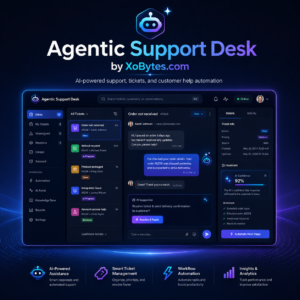
Agentic Support Desk for WordPress by XoBytes.com
$19.99
Agentic Support Desk by Xobytes is an AI-powered WordPress support desk built for software sellers, WooCommerce stores, agencies,…

Agent Shield by XoBytes | Protect against agentic software
$25.00
AgentShield is a WordPress AI Agent Firewall that helps detect, monitor, block, and temporarily ban AI crawlers, AI…
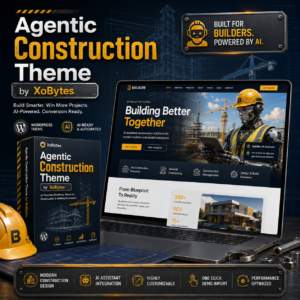
Agentic Construction Theme | More than just a theme | Built for all trades
$49.99
Why You Need This Theme And Plugin! Click here for the Demo Agentic Construction Theme by XoBytes is…
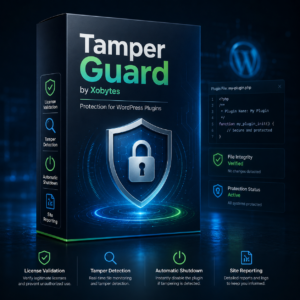
Tamper Guard by XoBytes | WordPress Plugin Tamper Detector
$25.00
Protect your commercial WordPress plugins with license-based tamper detection, file integrity monitoring, automatic shutdown protection, and site reporting.…
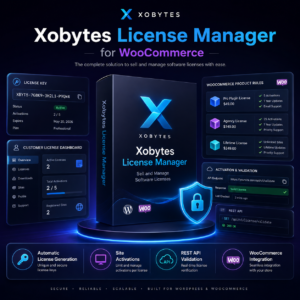
License manager for WooCommerce by XoBytes.com
$25.00
Xobytes License Manager for WooCommerce is a powerful WooCommerce license manager plugin that lets you sell software licenses,…
Product 1 of 6
Implementation Steps for Cost Estimation
Once you have gathered all necessary information, follow these steps to implement your cost estimation:
- Document Requirements: Create a detailed specification document outlining all features and functionalities.
- Research Development Teams: Identify potential teams and gather quotes based on your specifications.
- Evaluate Quotes: Compare the quotes not just on price, but also on the value offered in terms of expertise and services.
- Negotiate Terms: Discuss payment terms, timelines, and any additional costs that may arise during development.
- Finalize Agreements: Once you select a team, ensure all agreements are documented, including scope, timeline, and costs.
Decision Criteria for Choosing the Right Pricing Model
When selecting a pricing model for your project, consider the following decision criteria:
- Project Stability: If your project requirements are stable and clearly defined, a fixed-price model may be suitable.
- Flexibility Needs: If you anticipate changes in requirements, a time and material model may provide the necessary flexibility.
- Long-Term Engagement: If you foresee ongoing development needs, a dedicated team model could be the most beneficial.
- Budget Constraints: Evaluate your budget and choose a model that aligns with your financial capabilities.
Long-Term Cost Considerations
In addition to initial development costs, consider the following long-term expenses that may arise:
Continue with Key Factors That Affect the Cost to Develop Custom Software Platforms for additional XoBytes guidance.
- Scaling Costs: As your user base grows, you may need to invest in additional infrastructure and resources.
- Compliance and Security: Regular audits and updates may be necessary to ensure compliance with industry regulations.
- Training and Onboarding: Allocate budget for training employees on the new system to maximize its effectiveness.
Practical Tips for Effective Cost Estimation
Estimating the cost to build a custom software platform can be daunting. Here are some practical tips to enhance your estimation process:
- Use Estimation Tools: Consider utilizing software estimation tools that can help you analyze requirements and provide more accurate cost projections.
- Engage Stakeholders Early: Involve key stakeholders in the initial stages to ensure all necessary features are accounted for, minimizing the risk of costly changes later.
- Conduct Market Research: Investigate similar platforms in your industry to gauge typical costs, features, and functionalities that could influence your project.
- Iterative Estimation: Treat cost estimation as an iterative process. Regularly revisit and adjust your estimates as you gather more information and insights.
Comparative Analysis of Development Models
Understanding the strengths and weaknesses of different development pricing models can help you select the best option for your project. Here’s a comparative analysis:
| Pricing Model | Advantages | Disadvantages |
|---|---|---|
| Fixed Price |
|
|
| Time and Material |
|
|
| Dedicated Team |
|
|
Implementation Steps for Cost Estimation
To streamline your cost estimation process, follow these structured implementation steps:
- Gather Requirements: Collaborate with stakeholders to compile a comprehensive list of software requirements.
- Analyze Similar Projects: Research case studies of similar projects to benchmark costs and identify potential pitfalls.
- Break Down Costs: Categorize costs into development, design, testing, and deployment to gain a clearer picture of total expenses.
- Review and Revise: Regularly review your cost estimates with your development team and adjust as necessary based on new information.
Decision Criteria for Choosing the Right Development Team
Selecting the right development team is critical for the success of your project. Here are some decision criteria to consider:
- Technical Proficiency: Ensure the team has a strong understanding of the technologies required for your project.
- Communication Skills: Evaluate their ability to communicate effectively, as this will impact project collaboration and updates.
- Post-Launch Support: Inquire about their support policies after project completion to ensure ongoing assistance.
- Flexibility: Assess their willingness to adapt to changes and feedback throughout the development process.
Frequently Asked Questions
Building a custom software development platform can be a significant investment for businesses. Therefore, understanding the costs involved is crucial for making informed decisions. In this article, we will explore how to accurately estimate the cost to build a custom software development platform, focusing on key factors, methodologies, and best practices.
What factors affect the cost of custom software development?
Several factors influence the cost, including project complexity, required features, development team location, and technology stack.
How can I get an accurate estimate for my software project?
To get an accurate estimate, define your project scope, consult with experienced developers, and consider multiple quotes.
Is custom software development worth the investment?
Yes, custom software can provide tailored solutions that enhance efficiency and meet specific business needs, often leading to long-term savings.