
In today’s fast-paced business environment, choosing the right software solution is crucial for success. One common option is off-the-shelf software. This article will help you understand the pros, cons, and how to determine if this type of software is the right fit for your business.
Off-the-shelf software refers to pre-built applications that are readily available for purchase and use. These solutions are designed to meet the needs of a wide range of businesses without requiring customization. Therefore, they can be deployed quickly and at a lower cost than custom software solutions.
Understanding Off-the-Shelf Software
To make an informed decision, it’s essential to understand what off-the-shelf software entails. This type of software is designed to serve common business needs across various industries. For example, solutions like Microsoft Office or QuickBooks are widely used because they offer essential functionalities that many businesses require.
Key Features of Off-the-Shelf Software
When evaluating off-the-shelf software, consider the following features:
- Ease of Use: Most off-the-shelf applications are user-friendly, requiring minimal training for employees.
- Cost-Effectiveness: These solutions typically have lower upfront costs compared to custom software.
- Quick Deployment: Businesses can implement these solutions rapidly, allowing for immediate operational improvements.
- Regular Updates: Off-the-shelf software often receives regular updates and support from the vendor.
Pros of Off-the-Shelf Software
There are several advantages to choosing off-the-shelf software:
For useful background on this topic, see Off-the-Shelf Software Explained: Pros, Cons, and Business Fit.
1. Lower Initial Costs
Off-the-shelf software generally has a lower initial investment compared to custom solutions. This affordability makes it accessible for small and medium-sized enterprises (SMEs) looking to improve their operations without breaking the bank.
2. Faster Implementation
Because off-the-shelf software is ready-made, businesses can implement it quickly. As a result, companies can start using the software almost immediately, addressing their needs without lengthy development times.
3. Proven Reliability
These solutions are often tried and tested by numerous users, ensuring a level of reliability. Many businesses have successfully used off-the-shelf software, which can provide peace of mind when making a decision.
4. Technical Support
Most vendors offer technical support for their off-the-shelf products. This support can be invaluable, especially for businesses that may not have in-house IT teams.
Cons of Off-the-Shelf Software
However, off-the-shelf software is not without its drawbacks:
1. Limited Customization
One of the most significant limitations is the lack of customization options. While these solutions may meet general needs, they may not align perfectly with specific business workflows or requirements.
2. Potential Mismatch
Off-the-shelf software may not cater to unique business processes. Therefore, businesses may need to adapt their operations to fit the software, which can be inefficient.
For a practical companion to this section, explore Off-the-Shelf Software: Pros, Cons, and Applications.
3. Scalability Issues
As businesses grow, their software needs may change. Off-the-shelf solutions may struggle to scale effectively, potentially leading to the need for a new system down the line.
When to Choose Off-the-Shelf Software
Choosing off-the-shelf software can be an excellent option for many businesses. Here are some scenarios where it might be the right fit:
- Standard Business Needs: If your business needs are standard and common across industries, off-the-shelf solutions are likely to meet those needs effectively.
- Budget Constraints: For businesses with limited budgets, off-the-shelf software provides a cost-effective alternative without compromising on essential functionalities.
- Quick Implementation Requirements: If you need a solution quickly to address a pressing issue, off-the-shelf software can be deployed rapidly.
Comparing Off-the-Shelf Software with Custom Solutions
It’s essential to compare off-the-shelf software with custom software to understand which option is more suitable for your business. Here are some key differences:
| Criteria | Off-the-Shelf Software | Custom Software |
|---|---|---|
| Cost | Lower initial costs | Higher initial investment |
| Implementation Time | Quick deployment | Longer development time |
| Customization | Limited options | Highly customizable |
| Support | Vendor support available | Dependent on development team |
As seen in the table, while off-the-shelf software offers quick and cost-effective solutions, custom software provides tailored solutions that can grow with your business.
How to Choose the Right Off-the-Shelf Software
Choosing the right off-the-shelf software requires careful consideration. Here are some steps to help guide your decision:
- Identify Your Needs: Determine what functionalities are essential for your business operations.
- Research Options: Look for software solutions that meet your needs and compare their features and prices.
- Read Reviews: Check user reviews and testimonials to gauge the reliability and support of the software.
- Request Demos: If possible, request demos to see how the software works in practice.
Related XoBytes Products

Agentic Construction Theme | More than just a theme | Built for all trades
$49.99
Why You Need This Theme And Plugin! Click here for the Demo Agentic Construction Theme by XoBytes is…

Agentic Consultant, Product Rep, & Customer Service Agent By XoBytes.com
$19.99
Agentic Consultant for WordPress gives your website a smart AI product rep, customer service agent, and hands-free voice…
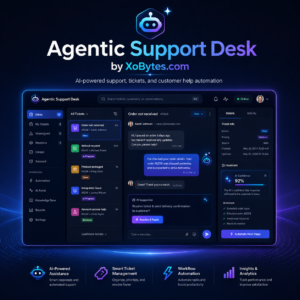
Agentic Support Desk for WordPress by XoBytes.com
$19.99
Agentic Support Desk by Xobytes is an AI-powered WordPress support desk built for software sellers, WooCommerce stores, agencies,…

Agent Shield by XoBytes | Protect against agentic software
$25.00
AgentShield is a WordPress AI Agent Firewall that helps detect, monitor, block, and temporarily ban AI crawlers, AI…
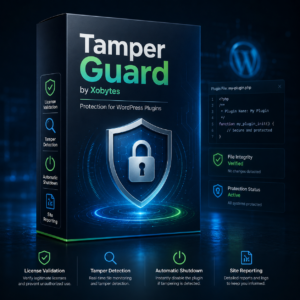
Tamper Guard by XoBytes | WordPress Plugin Tamper Detector
$25.00
Protect your commercial WordPress plugins with license-based tamper detection, file integrity monitoring, automatic shutdown protection, and site reporting.…
Product 1 of 6
By following these steps, you can make a more informed decision about which off-the-shelf software solution is the best fit for your business.
Conclusion
In conclusion, off-the-shelf software can be an excellent choice for many businesses, especially those with standard needs and budget constraints. However, it’s crucial to weigh the pros and cons carefully and consider your unique business requirements. By doing so, you can make an informed choice that aligns with your operational goals.
Continue with Understanding Off-the-Shelf Software: Benefits and Limitations for additional XoBytes guidance.
Practical Examples of Off-the-Shelf Software
To better understand the applicability of off-the-shelf software, let’s explore some practical examples across various industries:
- Accounting: Software like QuickBooks is widely used by small businesses for managing finances, invoicing, and payroll without the need for extensive customization.
- Project Management: Tools such as Trello and Asana offer off-the-shelf solutions that help teams collaborate and manage projects effectively, making them ideal for businesses of all sizes.
- Customer Relationship Management (CRM): Platforms like Salesforce provide essential CRM functionalities that can be utilized by various businesses to manage customer interactions and data.
- Human Resource Management: Software such as Gusto simplifies payroll, benefits, and hiring processes for companies without requiring a custom-built solution.
Implementation Steps for Off-the-Shelf Software
Implementing off-the-shelf software can be a straightforward process, but following a structured approach can enhance its effectiveness. Here are some key steps to consider during implementation:
- Define Objectives: Clearly outline what you aim to achieve with the software, including specific functionalities and performance metrics.
- Involve Stakeholders: Engage key stakeholders from different departments to gather input and ensure the software meets diverse needs.
- Plan for Training: Develop a training plan for employees to familiarize them with the new software, ensuring a smooth transition.
- Monitor and Evaluate: After implementation, continuously monitor the software’s performance and gather user feedback to make necessary adjustments.
Decision Criteria for Choosing Off-the-Shelf Software
When evaluating different off-the-shelf software options, consider the following criteria to make an informed decision:
- Compatibility: Ensure the software integrates well with existing systems and tools within your organization.
- Vendor Reputation: Research the vendor’s history, customer service, and the reliability of their solutions to avoid potential pitfalls.
- Scalability: Assess whether the software can accommodate future growth and additional features as your business evolves.
- Security Features: Evaluate the security measures in place to protect sensitive business data, especially if the software will handle personal or financial information.
Case Study: A Successful Transition to Off-the-Shelf Software
Consider a mid-sized manufacturing company that struggled with outdated processes and inefficient inventory management. After evaluating their needs, they decided to implement an off-the-shelf inventory management system. The decision was based on:
- Standardized features that matched their operational requirements.
- Lower costs compared to developing a custom solution.
- Quick deployment that allowed them to see improvements in inventory tracking within weeks.
Post-implementation, the company reported a 30% reduction in inventory discrepancies and improved order fulfillment times, showcasing the effectiveness of choosing the right off-the-shelf software.
Frequently Asked Questions
Here are some common questions about off-the-shelf software:
- What is off-the-shelf application software? Off-the-shelf application software is pre-built, ready-made software designed to meet common business needs without customization, allowing quick deployment and cost-effective solutions.
- What are the main advantages of using off-the-shelf software? Its primary benefits include lower initial costs, faster implementation, widespread support, and proven reliability for standard business processes.
- What are the limitations of off-the-shelf software? Limitations include limited customization options, potential mismatch with specific business workflows, and possible scalability issues for unique or rapidly evolving needs.
- How does off-the-shelf software compare to custom software development? Off-the-shelf software offers quick deployment and lower costs, while custom software provides tailored solutions that better fit specific business requirements but involves higher investment and longer development time.