
In today’s fast-paced business environment, the demand for custom IT development is rising. Companies are increasingly recognizing the need for tailored software solutions that align perfectly with their unique operational needs. This guide aims to provide a comprehensive overview of custom IT development, its benefits, and when your business should consider investing in it.
What is Custom IT Development?
Custom IT development refers to the process of creating software solutions tailored specifically to meet the particular demands of a business. Unlike off-the-shelf software, which may not fully address unique business challenges, custom IT solutions are designed to optimize workflows and improve efficiency.
Why Consider Custom IT Development?
There are several reasons why businesses might choose custom IT development:
- Unique Business Needs: Off-the-shelf solutions may not cater to specific business requirements. Custom solutions fill this gap.
- Scalability: Custom IT solutions can grow alongside your business, adapting to changing needs and expanding functionalities.
- Integration: Tailored software can integrate seamlessly with existing systems, enhancing overall operational efficiency.
For example, a manufacturing company might require a software solution that tracks inventory in real-time while integrating with their supply chain management system. This level of customization ensures that the software supports their unique operational processes.
Key Considerations for Custom IT Development
When evaluating whether to invest in custom IT development, consider the following factors:
- Assess Your Needs: Identify the specific challenges your business faces and how custom software can address them.
- Define the Scope: Clearly outline the functionalities and features you need from the software.
- Budgeting: Understand the costs involved and how they align with your budget. For more information on budgeting, check out our article on cost breakdowns for custom software development.
Benefits of Custom IT Development
Custom IT development offers numerous advantages, including:
- Increased Efficiency: Tailored solutions streamline processes, reducing time spent on manual tasks.
- Competitive Advantage: Custom features can provide a unique edge over competitors using generic software.
- Better User Experience: Custom software can be designed with user experience in mind, making it easier for employees to navigate and utilize.
Evaluating Costs and Budgeting for Custom IT Development
Estimating the cost of custom IT development can be complex. Factors influencing cost include:
- Project Scope: Larger projects typically require more resources and time.
- Complexity: More complex solutions will naturally incur higher costs due to the technical expertise required.
- Technology Stack: The choice of technology can affect development time and costs.
To gain a clearer understanding of costs, review our detailed guide on estimating custom software development rates.
How to Choose a Custom IT Development Partner
Selecting the right partner for your custom IT development is crucial. Here are some tips:
- Experience: Look for a partner with a proven track record in developing custom solutions.
- Portfolio: Review their previous work to gauge their capabilities and style.
- Communication: Ensure they maintain open lines of communication throughout the development process.
Moreover, consider partners who understand your industry and can provide insights into best practices.
For a practical companion to this section, explore A Complete Guide to Custom Software Development and Its Business Benefits.
Conclusion
In summary, custom IT development can significantly enhance your business operations by providing tailored solutions that address your unique needs. By understanding the benefits, evaluating costs, and selecting the right development partner, you can set your business up for success in an increasingly competitive landscape.
Practical Examples of Custom IT Development
To better understand the impact of custom IT development, let’s explore a few practical examples across different industries:
- Healthcare: A hospital may require a custom patient management system that integrates with their existing electronic health records (EHR). This system can streamline patient check-ins, manage appointments, and facilitate communication between departments, ultimately improving patient care.
- E-commerce: An online retailer might need a bespoke inventory management system that tracks stock levels in real-time and automatically adjusts listings on their website. This integration can reduce the risk of overselling products and enhance customer satisfaction.
- Finance: A financial services firm could benefit from a custom analytics dashboard that pulls data from various sources, providing real-time insights into market trends and client portfolios. This tailored solution can help financial advisors make informed decisions quickly.
Implementation Steps for Custom IT Development
Implementing a custom IT solution involves several key steps to ensure success:
- Requirement Gathering: Collaborate with stakeholders to gather detailed requirements. Understand the needs of end-users and the specific challenges they face.
- Prototyping: Develop a prototype or minimum viable product (MVP) to validate concepts and gather feedback before full-scale development.
- Development: Proceed with coding and building the software, ensuring regular updates and reviews with stakeholders to align on progress.
- Testing: Conduct thorough testing, including unit, integration, and user acceptance testing, to identify and resolve any issues before deployment.
- Deployment: Roll out the solution to users, providing training and support to ensure a smooth transition.
- Maintenance and Updates: Post-launch, continuously monitor the software’s performance and implement updates based on user feedback and changing business needs.
Related XoBytes Products

Agentic Construction Theme | More than just a theme | Built for all trades
$49.99
Why You Need This Theme And Plugin! Click here for the Demo Agentic Construction Theme by XoBytes is…

Agentic Consultant, Product Rep, & Customer Service Agent By XoBytes.com
$19.99
Agentic Consultant for WordPress gives your website a smart AI product rep, customer service agent, and hands-free voice…
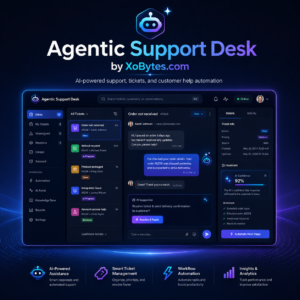
Agentic Support Desk for WordPress by XoBytes.com
$19.99
Agentic Support Desk by Xobytes is an AI-powered WordPress support desk built for software sellers, WooCommerce stores, agencies,…
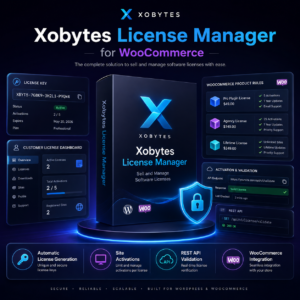
License manager for WooCommerce by XoBytes.com
$25.00
Xobytes License Manager for WooCommerce is a powerful WooCommerce license manager plugin that lets you sell software licenses,…

Agent Shield by XoBytes | Protect against agentic software
$25.00
AgentShield is a WordPress AI Agent Firewall that helps detect, monitor, block, and temporarily ban AI crawlers, AI…
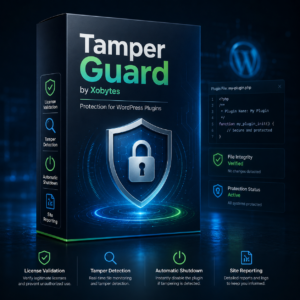
Tamper Guard by XoBytes | WordPress Plugin Tamper Detector
$25.00
Protect your commercial WordPress plugins with license-based tamper detection, file integrity monitoring, automatic shutdown protection, and site reporting.…
Product 1 of 6
Decision Criteria for Choosing Custom IT Development
When deciding whether to pursue custom IT development, consider the following criteria:
- Business Goals: Ensure that custom development aligns with your overall business strategy and objectives.
- User Needs: Evaluate whether the solution will genuinely meet the needs of your users and enhance their productivity.
- Long-Term Viability: Assess the long-term benefits and sustainability of the custom solution compared to off-the-shelf options.
- Return on Investment (ROI): Analyze the potential ROI by considering increased efficiency, reduced operational costs, and improved customer satisfaction.
Comparing Custom IT Development with Off-the-Shelf Solutions
When considering IT solutions, businesses often weigh the pros and cons of custom development against off-the-shelf software. Here’s a comparison:
Continue with Understanding Custom Software Development: What It Is and Why Your Business Needs It for additional XoBytes guidance.
| Criteria | Custom IT Development | Off-the-Shelf Solutions |
|---|---|---|
| Cost | Higher initial investment but can lead to long-term savings. | Lower upfront costs but may incur licensing fees and hidden costs. |
| Flexibility | Highly customizable to meet specific needs. | Limited customization options, may not fit all business processes. |
| Scalability | Easily scalable as business needs change. | May require additional purchases or upgrades to scale. |
| Support | Dedicated support from the development team. | General support, may not address specific issues promptly. |
Challenges in Custom IT Development
While custom IT development offers numerous benefits, it also comes with its own set of challenges. Understanding these challenges can help businesses prepare and strategize effectively.
- Time Consumption: Developing custom software can be time-intensive, often requiring months of planning, development, and testing before deployment.
- Resource Allocation: Custom development requires skilled professionals, which may lead to resource strain if the necessary talent is not available in-house.
- Change Management: Transitioning to a custom solution can disrupt existing workflows, necessitating a change management strategy to ensure user adoption.
Future Trends in Custom IT Development
As technology continues to evolve, the landscape of custom IT development is also changing. Here are some trends to watch:
- Artificial Intelligence Integration: More businesses are looking to integrate AI into their custom solutions to enhance decision-making and automate processes.
- Low-Code Development Platforms: These platforms allow for quicker development cycles by enabling users to create applications with minimal coding knowledge, making custom development more accessible.
- Cloud-Based Solutions: The shift towards cloud computing is making custom IT solutions more scalable and flexible, allowing businesses to adapt quickly to changing demands.
Case Studies of Successful Custom IT Development
Examining real-world examples can provide valuable insights into the effectiveness of custom IT development. Here are a few case studies:
- Retail Chain: A national retail chain developed a custom point-of-sale system that integrated inventory management and customer relationship management (CRM) tools. This solution improved transaction speed and enhanced customer insights, leading to a 20% increase in sales.
- Logistics Company: A logistics firm implemented a custom tracking system that provided real-time updates on shipments. This transparency improved customer satisfaction and reduced inquiries by 30%.
- Education Sector: An educational institution created a custom learning management system (LMS) that tailored course offerings to individual student needs. This personalized approach increased student engagement and improved overall academic performance.
Best Practices for Custom IT Development
To maximize the benefits of custom IT development, consider the following best practices:
- Involve Stakeholders Early: Engage all relevant stakeholders in the requirement gathering phase to ensure the solution meets the needs of all users.
- Iterative Development: Adopt an agile methodology that allows for iterative development and regular feedback, ensuring the final product aligns with user expectations.
- Focus on User Experience: Prioritize user experience in the design process to create intuitive interfaces that enhance usability and adoption.
Frequently Asked Questions
Here are some common questions related to custom IT development:
- What is custom IT development? Custom IT development involves creating tailored software solutions designed specifically to meet a business’s unique needs, rather than using generic off-the-shelf tools.
- When should a business consider custom IT development? A business should consider custom IT development when existing solutions do not fully address its specific workflows, scalability needs, or integration requirements.
- What are the main benefits of custom IT development? The main benefits include increased efficiency, better alignment with business processes, scalability, and a competitive advantage through tailored features.
- How can I estimate the cost of custom IT development? Cost estimation depends on factors like project scope, complexity, technology stack, and development duration. Reviewing related articles on cost breakdowns and pricing models can provide detailed insights.