
In today’s fast-paced business environment, companies often face challenges that generic software solutions cannot adequately address. Therefore, understanding when and why your business should invest in custom software solutions is crucial for driving growth and improving operational efficiency. Custom software solutions are tailored to meet the specific needs of your business, providing unique advantages that off-the-shelf software cannot offer.
Investing in custom software can be a game-changer for many organizations. For example, businesses that require specific functionalities, scalability, or integration with existing systems often find that generic software falls short. As a result, custom software development has become increasingly popular as organizations seek to enhance their efficiency and competitiveness.
Understanding Custom Software Solutions
Custom software solutions are designed specifically for a particular organization, addressing its unique challenges and requirements. This tailored approach allows companies to streamline their processes, improve productivity, and ultimately drive growth.
Moreover, custom software can adapt to changing business needs over time, ensuring that your organization remains agile and competitive in a rapidly evolving market.
For useful background on this topic, see Key Signs Your Business Should Invest in Custom Software Solutions.
Key Benefits of Custom Software Solutions
- Tailored Functionality: Custom software is developed to meet the specific needs of your business, ensuring that it aligns perfectly with your workflows and processes.
- Scalability: As your business grows, custom software can be easily scaled to accommodate increased demand and new functionalities.
- Integration: Custom solutions can seamlessly integrate with existing systems and tools, enhancing overall efficiency.
- Cost-Effectiveness: While the initial investment may be higher, custom software can lead to significant long-term savings by improving efficiency and reducing operational costs.
When to Invest in Custom Software Solutions
Identifying the right time to invest in custom software is essential for maximizing its benefits. Here are some key indicators that your business may be ready for custom software:
- Unique Business Processes: If your business has workflows that are not effectively supported by off-the-shelf software, it may be time to consider a custom solution.
- Growth and Scalability Needs: As your business expands, you may find that existing software cannot keep up with your growing demands.
- Integration Requirements: If you need to integrate multiple systems or tools, custom software can provide the necessary flexibility.
- Competitive Advantage: Custom software can give your business a unique edge over competitors who rely on standard solutions.
Planning and Budgeting for Custom Software Development
Investing in custom software requires careful planning and budgeting. Here are some steps to guide you through the process:
- Define Your Objectives: Clearly outline what you want to achieve with the custom software. This will help guide development and ensure alignment with business goals.
- Assess Your Needs: Evaluate your current systems and processes to identify gaps that the custom software needs to address.
- Develop a Budget: Consider factors such as development time, team expertise, and feature requirements when estimating costs.
- Select a Development Partner: Choose a reliable software development team with experience in building custom solutions.
For more insights on effective budgeting for custom software projects, check out our article on how to plan and budget for effective custom software solutions.
Real-World Examples of Custom Software Success
Many organizations have successfully implemented custom software solutions to enhance their operations. For instance, a manufacturing company might develop a custom inventory management system that streamlines supply chain processes, reducing costs and improving efficiency.
Additionally, a healthcare provider may create a custom patient management system that integrates with existing databases, allowing for better patient care and streamlined operations.
Conclusion
Investing in custom software solutions can significantly enhance your business’s efficiency and competitiveness. By understanding when and why to invest in custom software, you can make informed decisions that align with your organization’s unique needs. Tailoring software to your specific requirements not only improves operational efficiency but also positions your business for long-term success.
Implementation Steps for Custom Software Solutions
Implementing custom software solutions involves several critical steps to ensure a smooth transition and effective use of the new system. Here’s a structured approach to guide your implementation process:
Related XoBytes Products

Agentic Consultant, Product Rep, & Customer Service Agent By XoBytes.com
$19.99
Agentic Consultant for WordPress gives your website a smart AI product rep, customer service agent, and hands-free voice…

Agentic Construction Theme | More than just a theme | Built for all trades
$49.99
Why You Need This Theme And Plugin! Click here for the Demo Agentic Construction Theme by XoBytes is…
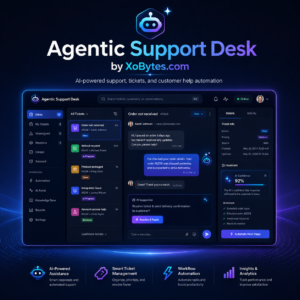
Agentic Support Desk for WordPress by XoBytes.com
$19.99
Agentic Support Desk by Xobytes is an AI-powered WordPress support desk built for software sellers, WooCommerce stores, agencies,…
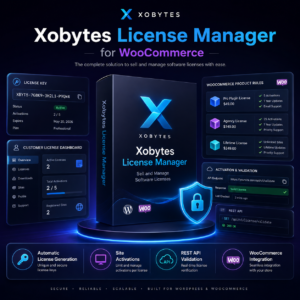
License manager for WooCommerce by XoBytes.com
$25.00
Xobytes License Manager for WooCommerce is a powerful WooCommerce license manager plugin that lets you sell software licenses,…

Agent Shield by XoBytes | Protect against agentic software
$25.00
AgentShield is a WordPress AI Agent Firewall that helps detect, monitor, block, and temporarily ban AI crawlers, AI…
Product 1 of 6
- Conduct a Needs Assessment: Before development begins, gather input from various stakeholders within your organization to understand their needs and expectations. This will help in creating a comprehensive requirements document.
- Choose the Right Development Methodology: Decide on an appropriate development methodology such as Agile, Waterfall, or Scrum. Agile is often preferred for custom software due to its flexibility and iterative nature.
- Develop a Prototype: Creating a prototype allows stakeholders to visualize the software and provide feedback early in the development process. This can help in refining requirements and making necessary adjustments.
- Testing and Quality Assurance: Conduct thorough testing at various stages of development to identify and fix bugs. This includes unit testing, integration testing, and user acceptance testing (UAT).
- Training and Documentation: Provide training sessions for users to familiarize them with the new software. Additionally, comprehensive documentation should be created to assist users in navigating the system effectively.
- Launch and Monitor: Once the software is deployed, monitor its performance and gather user feedback. Be prepared to make adjustments based on user experiences and evolving business needs.
Comparing Custom Software with Off-the-Shelf Solutions
When considering whether to invest in custom software or stick with off-the-shelf solutions, it’s essential to weigh the advantages and disadvantages of each. Here’s a comparison to help you make an informed decision:
| Feature | Custom Software | Off-the-Shelf Software |
|---|---|---|
| Customization | Fully customizable to meet specific business needs. | Limited customization options; may not fit all workflows. |
| Cost | Higher initial investment but potential for long-term savings. | Lower upfront costs but may incur additional expenses for add-ons and licenses. |
| Scalability | Easily scalable to accommodate growth and changing requirements. | May require migration to new software as business needs evolve. |
| Integration | Seamless integration with existing systems and tools. | Integration may be challenging and limited to specific platforms. |
| Support | Dedicated support tailored to your system. | General support that may not address specific issues effectively. |
Decision Criteria for Custom Software Investment
When deciding whether to invest in custom software, consider the following criteria:
Continue with When and Why Your Business Should Invest in Custom Software Development for additional XoBytes guidance.
- Business Goals: Does custom software align with your long-term business objectives?
- User Needs: Are the specific needs of your users being met by current solutions?
- Budget Constraints: Can your budget accommodate the initial investment and ongoing maintenance costs?
- Time to Market: How quickly do you need the solution? Custom development may take longer than deploying an off-the-shelf product.
- Future Growth: Will the software be able to adapt to future changes in your business environment?
Real-World Implementation Case Study
Consider the case of a retail company that faced challenges with inventory management due to rapid growth. They initially relied on an off-the-shelf software solution, which became increasingly inadequate as they expanded their product lines and locations.
After conducting a needs assessment, the company decided to invest in a custom inventory management system. This new system allowed them to:
- Track inventory levels in real-time across multiple locations.
- Integrate seamlessly with their e-commerce platform.
- Generate tailored reports that provided insights into sales trends and stock levels.
The result was a significant reduction in stockouts and overstock situations, leading to increased sales and improved customer satisfaction. This case highlights the potential benefits of custom software when addressing specific business challenges.
Frequently Asked Questions
Here are some common questions about custom software development:
- What is custom software development? Custom software development is the process of designing and building software tailored specifically to meet the unique needs of a business or organization.
- When should a business consider developing custom software? A business should consider custom software when off-the-shelf solutions do not fully address its specific workflows, scalability needs, or integration requirements.
- What factors influence the cost of custom software development? Key factors include project complexity, features required, development time, team expertise, and platform choice.
- How long does it typically take to develop custom software? Development duration varies based on scope but generally ranges from a few months to over a year for complex projects.