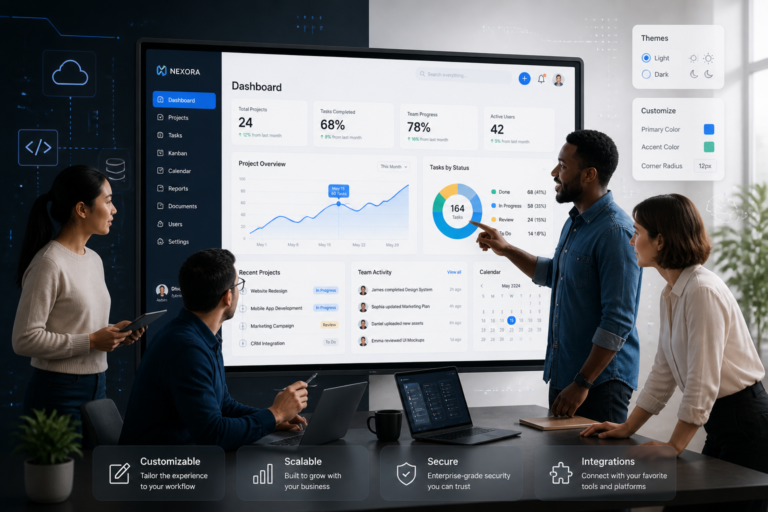
In today’s fast-paced business environment, organizations are constantly seeking ways to enhance their operations and gain a competitive edge. One of the most effective strategies for achieving this is through custom IT development. This approach allows businesses to create tailored software solutions that meet their unique needs. In this article, we will explore how custom IT development can transform your business operations.
Understanding Custom IT Development
Custom IT development refers to the process of designing and creating software solutions that are specifically tailored to the requirements of a business. Unlike off-the-shelf software, which may not fully address a company’s operational needs, custom development provides a personalized approach that aligns perfectly with business goals.
Moreover, custom IT development can involve a variety of technologies and methodologies, allowing organizations to choose the best fit for their specific requirements. For example, businesses can leverage agile development practices to ensure flexibility and responsiveness throughout the development process.
For useful background on this topic, see How Custom Software Development Can Transform Your Business Operations.
Why Businesses Need Custom IT Development
There are several reasons why a business might consider investing in custom IT development:
- Unique Requirements: Many businesses have specific workflows and processes that generic software cannot accommodate. Custom solutions can be designed to meet these unique needs.
- Scalability: As businesses grow, their software needs often change. Custom IT development allows for scalable solutions that can adapt to evolving requirements.
- Integration: Custom software can be built to integrate seamlessly with existing systems, ensuring smooth operations and data flow.
- Competitive Advantage: By implementing tailored solutions, businesses can differentiate themselves from competitors and improve overall efficiency.
Benefits of Custom IT Development
Investing in custom IT development can yield numerous benefits for organizations. Here are some key advantages:
- Increased Efficiency: Custom software can automate routine tasks, streamline operations, and reduce manual errors.
- Better Alignment with Business Processes: Tailored solutions can be designed to fit seamlessly into existing workflows, enhancing productivity.
- Enhanced User Experience: Custom applications can be designed with user experience in mind, leading to higher satisfaction and engagement.
- Long-Term Cost Savings: While the initial investment may be higher, custom solutions can lead to significant savings over time by reducing licensing fees and maintenance costs.
Evaluating the Costs of Custom IT Development
When considering custom IT development, it is essential to understand the costs involved. Factors influencing the overall cost include:
- Project Scope: The complexity and size of the project will significantly impact costs. Larger projects typically require more resources and time.
- Technology Stack: The choice of technologies used in development can affect costs. Some technologies may require specialized skills, which can increase labor costs.
- Development Duration: Longer projects will naturally incur higher costs due to extended resource allocation.
To gain a clearer understanding of potential costs, businesses should review articles on custom software development pricing and consider seeking quotes from multiple development firms.
How to Choose the Right Custom IT Development Partner
Selecting the right partner for custom IT development is crucial for success. Here are some tips to guide your decision:
- Assess Experience: Look for a partner with a proven track record in developing solutions similar to your needs.
- Check References: Ask for references and case studies from previous clients to gauge satisfaction and performance.
- Evaluate Communication: Effective communication is vital throughout the development process. Ensure the partner is responsive and open to collaboration.
- Discuss Maintenance and Support: Inquire about post-development support and maintenance options to ensure ongoing success.
Real-World Examples of Successful Custom IT Development
Many organizations have successfully leveraged custom IT development to enhance their operations. For example:
- Retail Sector: A retail company developed a custom inventory management system that integrated with their existing sales platform, leading to improved stock control and reduced waste.
- Healthcare Industry: A healthcare provider implemented a custom patient management system that streamlined appointment scheduling and improved patient care.
- Manufacturing: A manufacturing firm created a custom production tracking system that optimized workflows and reduced production time.
These examples demonstrate the transformative potential of custom IT development across various industries.
Related XoBytes Products

Agentic Consultant, Product Rep, & Customer Service Agent By XoBytes.com
$19.99
Agentic Consultant for WordPress gives your website a smart AI product rep, customer service agent, and hands-free voice…

Agentic Construction Theme | More than just a theme | Built for all trades
$49.99
Why You Need This Theme And Plugin! Click here for the Demo Agentic Construction Theme by XoBytes is…
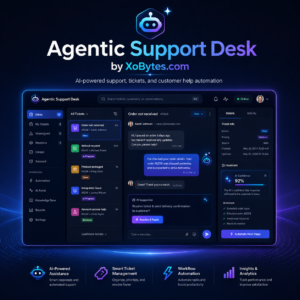
Agentic Support Desk for WordPress by XoBytes.com
$19.99
Agentic Support Desk by Xobytes is an AI-powered WordPress support desk built for software sellers, WooCommerce stores, agencies,…
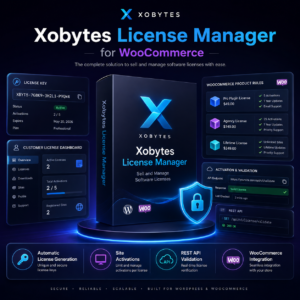
License manager for WooCommerce by XoBytes.com
$25.00
Xobytes License Manager for WooCommerce is a powerful WooCommerce license manager plugin that lets you sell software licenses,…

Agent Shield by XoBytes | Protect against agentic software
$25.00
AgentShield is a WordPress AI Agent Firewall that helps detect, monitor, block, and temporarily ban AI crawlers, AI…
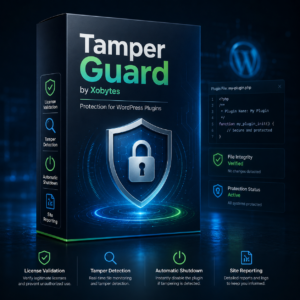
Tamper Guard by XoBytes | WordPress Plugin Tamper Detector
$25.00
Protect your commercial WordPress plugins with license-based tamper detection, file integrity monitoring, automatic shutdown protection, and site reporting.…
Product 1 of 6
Conclusion
In conclusion, custom IT development offers businesses the opportunity to create tailored solutions that enhance operational efficiency, scalability, and competitiveness. By understanding the benefits, costs, and key factors involved, organizations can make informed decisions about their IT development strategies.
Implementation Steps for Custom IT Development
Implementing custom IT development requires careful planning and execution. Here are some key steps to guide you through the process:
Continue with How Custom Build Software Development Transforms Business Operations for additional XoBytes guidance.
- Define Your Objectives: Clearly outline the goals you want to achieve with custom IT development. Consider how these goals align with your overall business strategy.
- Conduct a Needs Assessment: Analyze your current systems and workflows to identify specific gaps and requirements. Engage stakeholders from different departments to gather input.
- Choose the Right Technology: Based on your needs assessment, select the appropriate technology stack. Consider factors such as scalability, compatibility, and the skill set of your development team.
- Develop a Prototype: Create a prototype or minimum viable product (MVP) to validate your concept. This allows you to gather feedback early and make necessary adjustments.
- Iterative Development: Utilize agile methodologies to develop your custom software in iterations. This approach allows for flexibility and continuous improvement based on user feedback.
- Testing and Quality Assurance: Conduct thorough testing to identify and fix any bugs or usability issues. Ensure that the software meets all functional and non-functional requirements.
- Deployment: Launch the custom solution and monitor its performance closely. Provide training and support to users to facilitate a smooth transition.
- Ongoing Maintenance: Establish a plan for regular updates and maintenance to ensure the software remains effective and secure over time.
Comparing Custom IT Development with Off-the-Shelf Solutions
When deciding between custom IT development and off-the-shelf solutions, it’s essential to weigh the pros and cons of each approach. Here’s a comparison:
| Criteria | Custom IT Development | Off-the-Shelf Solutions |
|---|---|---|
| Cost | Higher initial investment, but potential long-term savings. | Lower upfront cost, but ongoing licensing fees may accumulate. |
| Flexibility | Highly flexible and customizable to fit specific needs. | Limited customization options; may not fit all business processes. |
| Time to Implement | Longer development time due to customization. | Quicker to deploy as solutions are ready-made. |
| Support and Updates | Tailored support and updates based on business needs. | Standard support, may not address specific issues promptly. |
| Scalability | Designed to grow with the business. | May require additional purchases or upgrades as business grows. |
Key Decision Criteria for Custom IT Development
When considering custom IT development, it’s crucial to evaluate several key criteria to ensure a successful outcome:
- Business Goals: Ensure the development aligns with your long-term business objectives.
- Budget: Establish a clear budget, considering both initial and ongoing costs.
- Timeframe: Define a realistic timeline for development and deployment.
- Stakeholder Involvement: Engage relevant stakeholders throughout the process to ensure their needs are met.
- Future Growth: Consider how the solution will accommodate future business growth and changes in technology.
Real-World Case Studies of Custom IT Development
To further illustrate the impact of custom IT development, here are additional real-world case studies:
- Financial Services: A financial institution developed a custom risk management system that provided real-time analytics, enabling better decision-making and compliance with regulatory requirements.
- Education Sector: An educational institution created a custom learning management system (LMS) that integrated with their existing platforms, enhancing the learning experience for students and teachers alike.
- Logistics: A logistics company implemented a custom fleet management solution that optimized route planning and reduced fuel costs, significantly improving operational efficiency.
Frequently Asked Questions
Here are some common questions regarding custom IT development:
- What is custom IT development? Custom IT development involves creating tailored software solutions designed specifically to meet a business’s unique needs, rather than using generic off-the-shelf tools.
- When should a business consider custom IT development? A business should consider custom IT development when existing solutions do not fully address its specific workflows, scalability needs, or integration requirements.
- What are the main benefits of custom IT development? The main benefits include increased efficiency, better alignment with business processes, scalability, and a competitive advantage through tailored features.
- How can I estimate the cost of custom IT development? Cost estimation depends on factors like project scope, complexity, technology stack, and development duration. Reviewing related articles on cost breakdowns and pricing models can provide detailed insights.