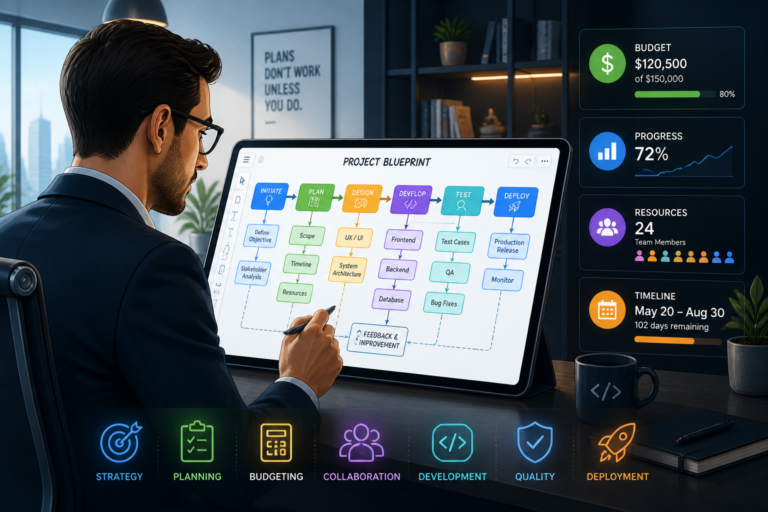
In today’s fast-paced digital landscape, businesses are increasingly recognizing the importance of custom software development. However, effectively budgeting and planning for these projects can be challenging. In this guide, we will explore essential strategies to help you navigate the complexities of budgeting and planning for custom software development.
Understanding Custom Software Development
Custom software development refers to the process of designing software solutions tailored to meet specific business needs. Unlike off-the-shelf software, custom solutions offer greater flexibility and can address unique requirements. However, this flexibility often comes with increased costs and complexities.
Before diving into budget planning, it’s crucial to understand the factors that influence the cost of custom software development. By doing so, you can create a more accurate budget and ensure that your project aligns with your business goals.
Key Factors Influencing Custom Software Development Costs
Several key factors can significantly impact the overall cost of your custom software development project:
For useful background on this topic, see Comprehensive Guide to Estimating and Budgeting for Custom Software Development.
- Project Scope: The broader the scope, the higher the costs. Clearly define what features and functionalities you need.
- Complexity: More complex projects require more time and expertise, which can increase costs.
- Technology Stack: The choice of programming languages, frameworks, and platforms can affect development speed and costs.
- Team Size: A larger team can lead to higher costs but may also speed up development.
- Development Duration: Longer projects typically incur higher costs due to extended resource allocation.
- Integration Requirements: If your software needs to integrate with existing systems, this can add to the complexity and cost.
How to Effectively Budget for Custom Software Development
To create an effective budget for your custom software development project, follow these essential steps:
- Define Your Requirements: Start by outlining your project requirements in detail. This will help you understand the scope and complexity of your project.
- Research Similar Projects: Look for case studies or examples of similar projects to gauge potential costs and timelines.
- Consult with Experts: Engage with experienced developers or consultants to gain insights into potential challenges and costs.
- Include Ongoing Maintenance Costs: Remember to factor in ongoing maintenance and support costs, as these can add up over time.
- Allocate a Contingency Fund: Budget for unexpected costs by setting aside a contingency fund, typically around 10-20% of your total budget.
By following these steps, you can create a more accurate budget that aligns with your project’s goals.
Best Practices for Managing Your Custom Software Development Budget
Managing your budget effectively is crucial for the success of your custom software project. Here are some best practices to consider:
- Prioritize Clear Scope Definition: Clearly define the project scope and avoid scope creep by sticking to your original plan.
- Iterative Development: Implement an iterative development process to allow for adjustments and refinements along the way.
- Regular Progress Reviews: Schedule regular check-ins to assess progress and adjust the budget as necessary.
- Contingency Planning: Be prepared for potential challenges by having contingency plans in place.
By adhering to these best practices, you can maintain better control over your budget and ensure that your project stays on track.
Leveraging Internal Resources
In addition to external resources, consider leveraging internal teams for certain aspects of the project. This can help reduce costs and improve collaboration. For example, your in-house team can handle project management, while you outsource development to specialized firms.
To learn more about effective budgeting for custom software projects, check out our article on How to Plan and Budget for Custom Software Development Projects.
Conclusion
In conclusion, effectively budgeting and planning for custom software development requires careful consideration of various factors and best practices. By understanding the key elements that influence costs and implementing strategic budgeting techniques, you can set your project up for success. Remember to stay flexible, as adjustments may be necessary along the way.
For more insights on custom software development, explore our comprehensive guide on Custom Software Development Costs and Key Factors.
Related XoBytes Products

Agentic Consultant, Product Rep, & Customer Service Agent By XoBytes.com
$19.99
Agentic Consultant for WordPress gives your website a smart AI product rep, customer service agent, and hands-free voice…

Agentic Construction Theme | More than just a theme | Built for all trades
$49.99
Why You Need This Theme And Plugin! Click here for the Demo Agentic Construction Theme by XoBytes is…
Agentic Support Desk for WordPress by XoBytes.com
$19.99
Agentic Support Desk by Xobytes is an AI-powered WordPress support desk built for software sellers, WooCommerce stores, agencies,…
License manager for WooCommerce by XoBytes.com
$25.00
Xobytes License Manager for WooCommerce is a powerful WooCommerce license manager plugin that lets you sell software licenses,…

Agent Shield by XoBytes | Protect against agentic software
$25.00
AgentShield is a WordPress AI Agent Firewall that helps detect, monitor, block, and temporarily ban AI crawlers, AI…
Product 1 of 6
Understanding the Development Lifecycle
To effectively budget for custom software development, it’s essential to understand the different phases of the development lifecycle. Each phase has its own set of costs and resource requirements:
Continue with Top Strategies for Successful Custom Software Development in Modern Businesses for additional XoBytes guidance.
- Planning: This initial phase involves gathering requirements, defining project scope, and creating a project roadmap. Costs during this phase can include market research and stakeholder meetings.
- Design: In this phase, the software architecture and user interface are designed. Costs can arise from design tools, user testing, and hiring UX/UI designers.
- Development: This is where the actual coding happens. Costs here depend on the technology stack chosen and the hourly rates of developers.
- Testing: Quality assurance is crucial. Budget for both automated and manual testing to ensure the software is bug-free before launch.
- Deployment: This phase includes the costs associated with launching the software, such as hosting and server setup.
- Maintenance: Post-launch, ongoing support and updates are necessary, which can be a significant part of your budget.
Comparing In-House vs. Outsourced Development
When budgeting for custom software development, one of the most significant decisions is whether to use in-house resources or outsource the project. Here’s a comparison to help you decide:
In-House Development
- Pros:
- Better control over the project and team.
- Improved communication and collaboration.
- Familiarity with company culture and processes.
- Cons:
- Higher fixed costs due to salaries and benefits.
- Potential skill gaps in specific technologies.
- Time-consuming recruitment processes.
Outsourced Development
- Pros:
- Access to specialized skills and expertise.
- Lower costs, especially if outsourcing to countries with lower labor costs.
- Flexibility to scale your team up or down as needed.
- Cons:
- Less control over the project.
- Potential communication barriers.
- Risk of misalignment with company goals and culture.
Implementing Agile Methodologies
Adopting Agile methodologies can be beneficial for managing your custom software development budget. Agile focuses on iterative development and flexibility, allowing for adjustments based on feedback. Here are some steps to implement Agile:
- Establish Cross-Functional Teams: Create teams that include members from different departments to ensure diverse perspectives and skills.
- Define User Stories: Break down requirements into user stories that articulate the needs of end-users. This helps prioritize features based on value.
- Plan Sprints: Organize development into sprints (typically 2-4 weeks) where specific features are developed and tested.
- Conduct Regular Stand-Ups: Hold daily meetings to discuss progress, challenges, and adjustments needed for the current sprint.
- Review and Retrospective: After each sprint, review what was accomplished and hold a retrospective to identify areas for improvement.
Utilizing Prototyping for Cost Management
Prototyping can be an effective way to manage costs and expectations in custom software development. Here’s how to leverage prototyping:
- Create Low-Fidelity Prototypes: Start with wireframes or mockups to visualize the software’s layout and functionalities without significant investment.
- Gather Feedback Early: Use prototypes to gather feedback from stakeholders and potential users to refine requirements before full-scale development.
- Iterate Based on Feedback: Make necessary adjustments to the prototype based on user feedback, which can save costs later in the development process.
Tracking and Reporting Budget Progress
Once your budget is established, tracking and reporting progress is essential to ensure you remain within financial limits. Consider the following:
- Use Budgeting Software: Implement tools that allow for real-time tracking of expenses versus the budget.
- Set Up Regular Financial Reviews: Schedule monthly or quarterly meetings to assess budget adherence and make necessary adjustments.
- Communicate with Stakeholders: Keep all stakeholders informed about budget status and any potential issues to ensure transparency and alignment.
Frequently Asked Questions
Here are some common questions regarding budgeting and planning for custom software development:
What are the main factors that influence the cost of custom software development?
Key factors include project scope, complexity, technology stack, team size, development duration, and integration requirements.
How can I accurately estimate the cost of my custom software project?
Start by defining detailed requirements, evaluating similar projects, consulting with experienced developers, and considering ongoing maintenance costs.
What are best practices for managing budget and expectations in custom software projects?
Prioritize clear scope definition, iterative development, regular progress reviews, and contingency planning to control costs and expectations.
How do development duration and team size affect project costs?
Longer development timelines and larger teams typically increase costs; efficient planning and scope management help optimize budget.
What are the main factors that influence the cost of custom software development?
Key factors include project scope, complexity, technology stack, team size, development duration, and integration requirements.
How can I accurately estimate the cost of my custom software project?
Start by defining detailed requirements, evaluating similar projects, consulting with experienced developers, and considering ongoing maintenance costs.
What are best practices for managing budget and expectations in custom software projects?
Prioritize clear scope definition, iterative development, regular progress reviews, and contingency planning to control costs and expectations.
How do development duration and team size affect project costs?
Longer development timelines and larger teams typically increase costs; efficient planning and scope management help optimize budget.