In today’s digital landscape, ensuring the integrity and security of your business’s digital assets is paramount. One effective way to achieve this is through business integrity monitoring tools. These tools help protect against unauthorized changes, ensuring compliance and safeguarding sensitive data. In this article, we will explore the key features and best practices for implementing these essential tools in your business.
Understanding Business Integrity Monitoring Tools
Business integrity monitoring software is designed to detect unauthorized alterations within digital systems. It plays a crucial role in maintaining data integrity and compliance, especially in industries where regulations are stringent. Moreover, by employing these tools, businesses can significantly reduce the risk of data breaches and cyberattacks.
Key Features of Business Integrity Monitoring Tools
When selecting a business integrity monitoring tool, it’s vital to consider specific features that enhance security and usability. For example, here are some key features to look for:
For useful background on this topic, see How Business Integrity Monitoring Software Protects Your Digital Assets.
- Real-Time Change Detection: This feature allows for immediate monitoring of file changes, providing instant alerts if unauthorized modifications occur.
- Automated Alerts: Automated notifications can help inform administrators of potential security breaches, enabling swift action to mitigate risks.
- License Validation: Ensuring that software licenses are valid and compliant can prevent unauthorized use and distribution of software assets.
- Tamper Reporting: This feature provides detailed reports on any detected tampering, helping businesses understand the nature and extent of any security incidents.
- Integration with Other Security Systems: A good integrity monitoring tool should integrate seamlessly with existing security frameworks to provide comprehensive protection.
Best Practices for Implementing Integrity Monitoring Tools
To maximize the effectiveness of your business integrity monitoring tools, consider the following best practices:
- Conduct a Risk Assessment: Before implementing monitoring tools, assess your business’s specific needs and vulnerabilities to tailor the solution accordingly.
- Regular Updates and Maintenance: Ensure that your integrity monitoring tools are regularly updated to protect against the latest threats and vulnerabilities.
- Train Staff: Educate your team on the importance of data integrity and how to use monitoring tools effectively. This ensures everyone is aware of their role in maintaining security.
- Establish Response Protocols: Create clear protocols for responding to alerts generated by the monitoring tools to ensure prompt and effective action.
- Regularly Review and Audit: Conduct periodic reviews of the monitoring system and its effectiveness in detecting and preventing unauthorized changes.
By following these best practices, businesses can enhance their security posture and ensure the integrity of their digital assets.
Integrating Business Integrity Monitoring Tools into Your Security Strategy
When integrating business integrity monitoring tools into your existing security strategy, it’s crucial to ensure they complement other security measures. For instance, combining these tools with firewalls, antivirus software, and intrusion detection systems can provide a layered security approach. Additionally, consider the following:
For a practical companion to this section, explore A Complete Guide to Choosing File Integrity Monitoring Tools.
- Data Backup Solutions: Regular backups can mitigate the impact of data breaches and allow for quick recovery in case of unauthorized changes.
- Compliance Management: Ensure that your monitoring tools help maintain compliance with industry regulations, which can vary significantly across different sectors.
- Vendor Management: Evaluate third-party vendors and their security measures to ensure they align with your integrity monitoring efforts.
Integrating these tools effectively can significantly enhance your business’s overall security and compliance.
Conclusion
In conclusion, business integrity monitoring tools are essential for protecting your digital assets and ensuring compliance. By understanding their key features and implementing best practices, businesses can safeguard against unauthorized changes and potential security threats. Investing in these tools not only enhances security but also fosters trust with customers and stakeholders.
Related XoBytes Products
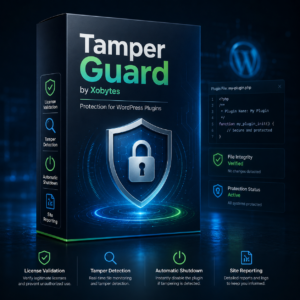
Tamper Guard by XoBytes | WordPress Plugin Tamper Detector
$25.00
Protect your commercial WordPress plugins with license-based tamper detection, file integrity monitoring, automatic shutdown protection, and site reporting.…

Plugin Update Server for WordPress by XoBytes.com
$25.00
Plugin Update Server by XoBytes lets WordPress plugin sellers deliver private plugin updates directly to customer dashboards. Upload…

Agentic Construction Theme | More than just a theme | Built for all trades
$49.99
Why You Need This Theme And Plugin! Click here for the Demo Agentic Construction Theme by XoBytes is…

Agentic Consultant, Product Rep, & Customer Service Agent By XoBytes.com
$19.99
Agentic Consultant for WordPress gives your website a smart AI product rep, customer service agent, and hands-free voice…
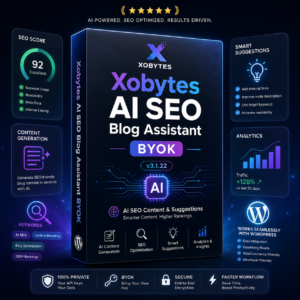
AI SEO Data & Automatic Blog Writer for WordPress by XoBytes
$19.99
Turn your WordPress site, Google Search Console data, and SEO opportunities into smarter blog posts, pages, titles, meta…
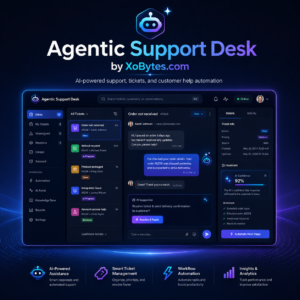
Agentic Support Desk for WordPress by XoBytes.com
$19.99
Agentic Support Desk by Xobytes is an AI-powered WordPress support desk built for software sellers, WooCommerce stores, agencies,…
Product 1 of 6
Practical Examples of Business Integrity Monitoring Tools
To better understand how business integrity monitoring tools function in real-world scenarios, consider the following examples:
Continue with Ensuring WordPress Security: Top Software Integrity Testing Tools for additional XoBytes guidance.
- Financial Institutions: Banks and financial organizations often use integrity monitoring tools to ensure compliance with regulations such as PCI-DSS. These tools help detect unauthorized access to sensitive customer data and alert administrators immediately.
- Healthcare Providers: In the healthcare sector, integrity monitoring tools are crucial for protecting patient records. By monitoring access and changes to electronic health records (EHR), healthcare providers can maintain compliance with HIPAA regulations.
- Retail Businesses: Retailers utilize these tools to monitor their e-commerce platforms. By detecting unauthorized changes to product listings or pricing, they can prevent potential revenue loss and maintain customer trust.
Comparing Business Integrity Monitoring Tools
When evaluating different business integrity monitoring tools, consider the following criteria to make an informed decision:
- Ease of Use: The tool should have an intuitive interface that allows users to navigate easily and set up monitoring parameters without extensive training.
- Scalability: Choose a solution that can grow with your business. It should accommodate increasing data volumes and additional users without compromising performance.
- Reporting Capabilities: Look for tools that offer robust reporting features, allowing you to generate detailed reports on detected changes, compliance status, and incident response.
- Support and Documentation: Ensure that the vendor provides comprehensive support and documentation, including tutorials, FAQs, and direct customer service access.
Implementation Steps for Business Integrity Monitoring Tools
Implementing business integrity monitoring tools involves several key steps to ensure successful deployment and operation:
- Define Objectives: Clearly outline what you aim to achieve with the monitoring tool, such as compliance requirements or specific security threats you want to address.
- Select the Right Tool: Based on your defined objectives and the comparison criteria, choose a monitoring tool that best fits your business needs.
- Set Up Monitoring Parameters: Configure the tool to monitor specific files, directories, or databases that are critical to your business operations.
- Test the System: Conduct thorough testing to ensure that alerts are triggered correctly and that the system integrates well with existing security measures.
- Train Your Team: Provide training sessions for your staff to familiarize them with the tool’s functionalities and the importance of maintaining data integrity.
- Establish Ongoing Review Processes: Set up regular review sessions to assess the effectiveness of the monitoring tool and make necessary adjustments based on evolving business needs.
Future Trends in Business Integrity Monitoring
As technology continues to evolve, several trends are emerging in the realm of business integrity monitoring:
- AI and Machine Learning: The integration of AI and machine learning into monitoring tools is expected to enhance their ability to detect anomalies and predict potential threats.
- Cloud-Based Solutions: More businesses are adopting cloud-based integrity monitoring tools, allowing for greater flexibility, scalability, and remote access.
- Enhanced User Behavior Analytics: Future tools may incorporate advanced analytics to monitor user behavior, identifying unusual patterns that could indicate a security breach.
Frequently Asked Questions
Here are some common questions regarding business integrity monitoring software:
- What is business integrity monitoring software? Business integrity monitoring software is a security tool designed to detect unauthorized changes, tampering, or malicious activity within digital systems, ensuring data integrity and compliance.
- How does file integrity monitoring enhance business security? File integrity monitoring continuously checks system files for unauthorized modifications, helping prevent tampering, detect security breaches early, and maintain compliance with security standards.
- What are key features to look for in integrity monitoring tools? Key features include real-time change detection, automated alerts, license validation, tamper reporting, and integration with other security systems for comprehensive protection.
- Can integrity monitoring software prevent plugin tampering in WordPress? Yes, integrity monitoring tools like Tamper Guard can detect and prevent unauthorized plugin modifications, protecting your site from malicious tampering and ensuring plugin security.