
When embarking on a custom software development project, planning and budgeting are crucial for success. This article will guide you through the essential steps and considerations to ensure your project is well-prepared and financially sound.
Understanding Custom Software Development
Custom software development refers to creating software specifically tailored to meet the unique needs of a business. Unlike off-the-shelf solutions, custom software is designed to address specific workflows, enhance efficiency, and integrate seamlessly with existing systems. Therefore, understanding the benefits and costs of custom software development is essential for making informed decisions.
For more insights on this topic, check out our Comprehensive Guide to Custom Software Development.
Key Steps in Planning Your Project
Planning a custom software development project involves several key steps:
- Define Your Goals: Clearly outline what you want to achieve with the software. This includes identifying pain points and desired outcomes.
- Gather Requirements: Collaborate with stakeholders to gather detailed requirements. This will help in creating a comprehensive project scope.
- Choose the Right Development Team: Evaluate potential development teams based on their expertise, experience, and past projects.
- Establish a Timeline: Set realistic deadlines for each project phase to ensure timely delivery.
- Identify Key Milestones: Determine critical milestones to track progress and make adjustments as needed.
Budgeting for Custom Software Development
Budgeting is a critical aspect of planning your custom software project. Here are some best practices:
- Estimate Costs Accurately: Consider all potential costs, including development, testing, deployment, and maintenance.
- Factor in Contingencies: Set aside a contingency budget to cover unexpected expenses that may arise during development.
- Analyze Cost Structures: Understand the different cost structures involved, such as hourly rates, fixed prices, or retainer agreements.
- Prioritize Features: If the budget is tight, prioritize the most critical features for the initial release and plan for future enhancements.
- Monitor Spending: Regularly review your budget to ensure that spending aligns with your projections and adjust as necessary.
To dive deeper into budgeting strategies, you can refer to our Comprehensive Guide to Estimating and Budgeting for Custom Software Development.
Common Pitfalls in Custom Software Development
Many projects encounter pitfalls that can derail their success. Here are some common issues to avoid:
- Poor Communication: Ensure clear communication among all stakeholders throughout the project.
- Inadequate Planning: Take the time to plan thoroughly to avoid costly changes later in the development process.
- Ignoring User Feedback: Involve end-users in the testing phase to gather valuable feedback and make necessary adjustments.
- Underestimating Time and Costs: Be realistic about the time and budget required for each phase of the project.
- Neglecting Maintenance: Plan for ongoing support and maintenance to ensure the software remains functional and relevant.
Conclusion
In conclusion, effective planning and budgeting are vital for the success of custom software development projects. By defining your goals, gathering requirements, and accurately estimating costs, you can set your project up for success. Remember to monitor progress and adjust your plans as necessary to navigate any challenges that may arise.
For additional insights, consider exploring our article on Understanding the Key Factors That Influence Custom Software Development Rates.
Implementing Agile Methodologies in Custom Software Development
One effective approach to managing custom software development projects is through the implementation of Agile methodologies. Agile promotes iterative development, allowing teams to adapt to changes quickly and deliver functional software incrementally. Here’s how to incorporate Agile practices into your project:
For a practical companion to this section, explore Top Strategies for Successful Custom Software Development in Modern Businesses.
- Define User Stories: Break down the project into user stories that describe the features from the end-user perspective. This helps prioritize development based on user needs.
- Set Up Sprints: Organize the development process into sprints, typically lasting two to four weeks. Each sprint should focus on delivering a specific set of features.
- Conduct Daily Stand-ups: Hold brief daily meetings to discuss progress, challenges, and plans for the day. This keeps the team aligned and accountable.
- Review and Retrospective: At the end of each sprint, conduct a review to demonstrate completed work and gather feedback. Follow this with a retrospective to discuss what went well and what can be improved.
Choosing the Right Technology Stack
The technology stack you choose for your custom software project can significantly impact its performance, scalability, and maintainability. Here are some criteria to consider when selecting a technology stack:
- Project Requirements: Assess the specific needs of your project, such as the type of application (web, mobile, desktop) and required functionalities.
- Team Expertise: Consider the skills and experience of your development team. Choosing technologies they are familiar with can reduce development time and costs.
- Community Support: Opt for technologies that have strong community support and documentation. This can be invaluable for troubleshooting and finding resources.
- Scalability: Ensure that the chosen stack can handle future growth. Technologies that support microservices or cloud-based solutions can facilitate scalability.
Related XoBytes Products

Agentic Consultant, Product Rep, & Customer Service Agent By XoBytes.com
$19.99
Agentic Consultant for WordPress gives your website a smart AI product rep, customer service agent, and hands-free voice…

Agentic Construction Theme | More than just a theme | Built for all trades
$49.99
Why You Need This Theme And Plugin! Click here for the Demo Agentic Construction Theme by XoBytes is…
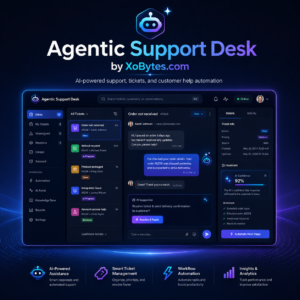
Agentic Support Desk for WordPress by XoBytes.com
$19.99
Agentic Support Desk by Xobytes is an AI-powered WordPress support desk built for software sellers, WooCommerce stores, agencies,…
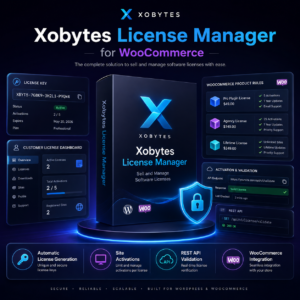
License manager for WooCommerce by XoBytes.com
$25.00
Xobytes License Manager for WooCommerce is a powerful WooCommerce license manager plugin that lets you sell software licenses,…

Agent Shield by XoBytes | Protect against agentic software
$25.00
AgentShield is a WordPress AI Agent Firewall that helps detect, monitor, block, and temporarily ban AI crawlers, AI…
Product 1 of 6
Effective Communication Strategies
Strong communication is vital throughout the custom software development process. Here are some strategies to enhance communication among stakeholders:
- Establish Clear Channels: Use dedicated communication tools (e.g., Slack, Microsoft Teams) to facilitate real-time discussions and updates.
- Regular Updates: Schedule regular check-ins with stakeholders to provide updates on progress and gather feedback. This ensures everyone is on the same page.
- Document Everything: Maintain comprehensive documentation of project requirements, decisions made, and changes to the scope. This helps avoid misunderstandings later.
- Encourage Feedback: Foster an environment where team members and stakeholders feel comfortable providing feedback and asking questions.
Evaluating Success Post-Launch
Once your custom software has been launched, it’s essential to evaluate its success and identify areas for improvement. Here are some steps to consider:
- Gather User Feedback: Collect feedback from end-users to understand their experiences and identify any issues or desired enhancements.
- Analyze Performance Metrics: Monitor key performance indicators (KPIs) such as user engagement, load times, and error rates to assess the software’s effectiveness.
- Plan for Updates: Based on feedback and performance analysis, create a roadmap for future updates and enhancements to keep the software relevant and efficient.
Budgeting for Future Enhancements
When budgeting for custom software, it’s crucial to allocate funds not just for the initial development but also for future enhancements. Consider the following:
- Establish a Maintenance Fund: Set aside a percentage of the total budget for ongoing maintenance and support to address bugs and system updates.
- Plan for Feature Expansion: As your business grows, new requirements may emerge. Budget for potential feature expansions to ensure the software evolves with your needs.
- Evaluate Technology Upgrades: Technology is constantly evolving. Allocate resources for periodic assessments of your technology stack to ensure it remains current and efficient.
Practical Examples of Budgeting for Custom Software
To better understand the budgeting process for custom software development, consider the following practical examples:
Continue with How Custom Software Development Works: A Complete Breakdown for additional XoBytes guidance.
- Example 1: E-commerce Platform – A mid-sized retail company wants to develop a custom e-commerce platform. They estimate the total cost to be around $150,000, which includes:
- Development: $100,000
- Testing: $20,000
- Deployment: $10,000
- Contingency: $20,000 (15% of total costs)
- Example 2: Mobile Application – A startup aims to create a mobile application for fitness tracking. Their budget breakdown looks like this:
- Development: $80,000
- User Testing: $10,000
- Marketing: $15,000
- Maintenance Fund: $5,000 (6% of total costs)
Decision Criteria for Choosing Development Teams
Selecting the right development team is critical for the success of your project. Here are some decision criteria to consider:
- Portfolio Review: Assess their previous work to ensure they have experience in similar projects.
- Client Testimonials: Look for reviews or case studies from past clients to gauge their reliability and quality of work.
- Technical Expertise: Verify their proficiency in the technologies relevant to your project.
- Communication Skills: Evaluate their ability to communicate effectively, as this will impact project progress.
- Post-Launch Support: Ensure they offer ongoing support and maintenance options after the project completion.
Implementing a Risk Management Plan
In addition to budgeting, it’s essential to implement a risk management plan to identify and mitigate potential risks during the software development process. Here are key steps to develop an effective risk management plan:
- Identify Risks: List potential risks that could impact the project, such as technical challenges, resource availability, or scope creep.
- Assess Impact: Evaluate the likelihood and impact of each risk to prioritize them effectively.
- Develop Mitigation Strategies: Create action plans to address high-priority risks, including contingency plans.
- Monitor Risks: Regularly review and update the risk management plan throughout the project lifecycle.
Comparing Fixed-Price vs. Time and Materials Contracts
When budgeting for custom software development, choosing the right contract type can significantly affect costs. Here’s a comparison of two common contract types:
- Fixed-Price Contracts:
- Pros: Predictable costs, easier budgeting, and clear project scope.
- Cons: Limited flexibility for changes, potential for lower quality if rushed.
- Time and Materials Contracts:
- Pros: Greater flexibility for changes, higher quality due to iterative development.
- Cons: Unpredictable costs, requires careful monitoring of hours and materials used.
Choosing between these contract types should depend on your project’s scope, timeline, and flexibility needs.
Frequently Asked Questions
Here are some common questions regarding custom software development:
- What is custom software development? Custom software development is the process of designing and building software tailored specifically to meet the unique needs of a business or organization.
- When should a business consider developing custom software? A business should consider custom software when off-the-shelf solutions do not fully address its specific workflows, scalability needs, or integration requirements.
- What factors influence the cost of custom software development? Key factors include project complexity, features required, development time, team expertise, and platform choice.
- How long does it typically take to develop custom software? Development duration varies based on scope but generally ranges from a few months to over a year for complex projects.