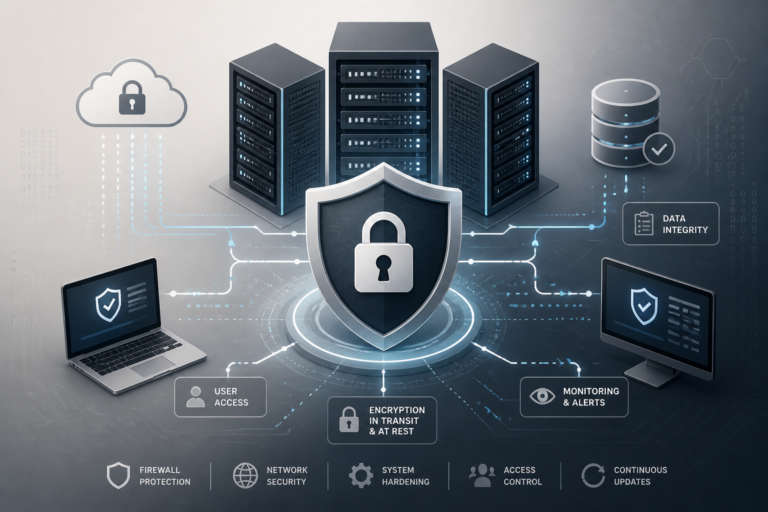
In today’s digital landscape, businesses face numerous threats to their data integrity and compliance. To mitigate these risks, many organizations are turning to business integrity monitoring software. This software plays a crucial role in detecting unauthorized changes and ensuring compliance with various regulations. In this guide, we will explore effective strategies to prevent tampering and ensure compliance using business integrity monitoring software.
Understanding Business Integrity Monitoring Software
Business integrity monitoring software is designed to protect your digital assets by continuously monitoring for unauthorized changes. By implementing such software, organizations can ensure that their data remains secure and compliant with industry regulations. Moreover, these tools help businesses detect tampering attempts before they escalate into significant security breaches.
Key Features of Business Integrity Monitoring Software
To effectively safeguard your digital assets, it’s essential to choose software with robust features. Here are some key features to consider:
- Real-time Change Detection: This feature allows the software to monitor changes as they occur, providing immediate alerts for any unauthorized modifications.
- Automated Alerts: Automated notifications can help inform administrators of potential security threats, enabling swift action to mitigate risks.
- License Validation: Ensuring that all software licenses are valid helps maintain compliance and prevents unauthorized use of software.
- Tamper Reporting: This feature generates reports on any detected tampering incidents, providing valuable insights for compliance audits.
- Integration with Other Security Systems: A comprehensive monitoring solution should integrate seamlessly with existing security systems to enhance overall security posture.
For example, tools like Tamper Guard provide essential features for WordPress sites, protecting against unauthorized plugin modifications.
Strategies to Prevent Tampering
Implementing effective strategies is vital for preventing tampering and ensuring compliance. Here are some actionable strategies:
- Regular Audits: Conduct regular audits of your digital assets to identify any unauthorized changes or compliance issues.
- Employee Training: Educate employees about the importance of data integrity and the role they play in maintaining security.
- Multi-Factor Authentication: Implement multi-factor authentication to add an extra layer of security for accessing sensitive data.
- Data Encryption: Encrypting sensitive data helps protect it from unauthorized access and tampering.
- Backup Solutions: Regularly back up data to ensure that you can restore it in case of tampering or data loss.
These strategies not only help in preventing tampering but also enhance overall business security.
Integrating Business Integrity Monitoring Software into Your Security Strategy
Integrating business integrity monitoring software into your existing security strategy is crucial for maximizing its effectiveness. Here are some tips to achieve successful integration:
- Assess Your Needs: Identify the specific needs of your organization to choose the right software that aligns with your security goals.
- Choose Compatible Solutions: Ensure that the monitoring software is compatible with your existing systems and infrastructure.
- Regularly Update Software: Keep the monitoring software updated to protect against the latest threats and vulnerabilities.
- Monitor Performance: Continuously monitor the performance of the software to ensure it meets your security expectations.
By following these steps, you can effectively integrate business integrity monitoring software into your overall security framework.
Conclusion
In conclusion, implementing business integrity monitoring software is a proactive approach to safeguarding your digital assets. By understanding its key features and employing effective strategies to prevent tampering, businesses can ensure compliance and maintain data integrity. As cyber threats continue to evolve, investing in robust monitoring solutions is essential for long-term security and success.
Choosing the Right Business Integrity Monitoring Software
Selecting the appropriate business integrity monitoring software is crucial for effectively safeguarding your organization’s digital assets. Here are some decision criteria to consider:
For a practical companion to this section, explore How Business Integrity Monitoring Software Protects Your Digital Assets.
- Scalability: Ensure the software can grow with your organization’s needs. As your business expands, your monitoring requirements may change.
- User-Friendliness: Look for software that is intuitive and easy to navigate. A user-friendly interface can reduce the learning curve for your team.
- Cost-Effectiveness: Compare pricing models to find a solution that fits your budget while still offering the necessary features and support.
- Vendor Reputation: Research the vendor’s track record and customer reviews. A reputable vendor is more likely to provide reliable support and updates.
- Customization: The ability to customize alerts and reports according to your organization’s specific needs can enhance the effectiveness of the software.
Practical Examples of Business Integrity Monitoring Software in Action
To illustrate the effectiveness of business integrity monitoring software, consider the following scenarios:
Example 1: Financial Services Firm
A financial services firm implemented integrity monitoring software to comply with stringent regulatory requirements. By using real-time change detection, they were able to identify unauthorized access attempts and rectify them before any sensitive data was compromised. The automated alerts allowed their security team to respond swiftly, minimizing potential damage.
Example 2: E-commerce Platform
An e-commerce platform utilized monitoring software to protect customer data. Regular audits revealed unauthorized changes to their payment processing system. The tamper reporting feature generated detailed logs that helped the team understand the breach’s origin, allowing them to enhance their security measures and prevent future incidents.
Implementation Steps for Business Integrity Monitoring Software
Implementing business integrity monitoring software requires a structured approach. Here are key steps to ensure a smooth deployment:
Related XoBytes Products
Tamper Guard by XoBytes | WordPress Plugin Tamper Detector
$25.00
Protect your commercial WordPress plugins with license-based tamper detection, file integrity monitoring, automatic shutdown protection, and site reporting.…

Agentic Consultant, Product Rep, & Customer Service Agent By XoBytes.com
$19.99
Agentic Consultant for WordPress gives your website a smart AI product rep, customer service agent, and hands-free voice…

Agentic Construction Theme | More than just a theme | Built for all trades
$49.99
Why You Need This Theme And Plugin! Click here for the Demo Agentic Construction Theme by XoBytes is…

Social Media Autopilot With AI by XoBytes.com
$19.99
Xobytes Social Autopilot is a WordPress social media autoposter that helps schedule and promote posts, pages, WooCommerce products,…

Agent Shield by XoBytes | Protect against agentic software
$25.00
AgentShield is a WordPress AI Agent Firewall that helps detect, monitor, block, and temporarily ban AI crawlers, AI…
Product 1 of 6
- Define Objectives: Clearly outline what you aim to achieve with the monitoring software, including specific compliance requirements and security goals.
- Conduct a Risk Assessment: Evaluate your current security posture and identify areas that require monitoring to prioritize your efforts effectively.
- Choose the Right Software: Based on your defined objectives and risk assessment, select a software solution that meets your needs.
- Plan the Deployment: Develop a deployment plan that includes timelines, responsibilities, and resource allocation.
- Train Your Team: Provide training for relevant staff on how to use the software effectively and respond to alerts.
- Monitor and Adjust: After deployment, continually monitor the software’s performance and make adjustments as necessary to optimize its effectiveness.
Comparing Different Business Integrity Monitoring Solutions
When evaluating different business integrity monitoring solutions, consider comparing the following aspects:
Continue with Key Features and Best Practices for Business Integrity Monitoring Tools for additional XoBytes guidance.
- Feature Set: Compare the features offered by different software solutions, focusing on those that align with your specific needs.
- Integration Capabilities: Assess how well each solution integrates with your existing systems and tools, as seamless integration can enhance efficiency.
- Customer Support: Evaluate the level of customer support provided, including availability of resources like documentation, training, and technical assistance.
- Reporting and Analytics: Look for solutions that offer robust reporting and analytics capabilities to help you gain insights into your data integrity status.
Best Practices for Maintaining Business Integrity Monitoring Software
Once you have implemented business integrity monitoring software, it is essential to establish best practices to ensure its ongoing effectiveness. Here are some recommended practices:
- Regular Training Sessions: Conduct periodic training sessions for your team to keep them informed about the latest features and updates of the software. This ensures that everyone is equipped to respond effectively to alerts.
- Review and Revise Policies: Regularly review your data integrity policies to adapt to new threats and compliance requirements. Ensure that your monitoring software aligns with these policies.
- Engage in Continuous Improvement: Solicit feedback from users about the software’s performance and usability. Use this feedback to make necessary adjustments and improvements.
- Establish a Response Plan: Develop a clear incident response plan that outlines steps to take when unauthorized changes are detected. Ensure that all team members understand their roles in this plan.
Common Challenges in Implementing Business Integrity Monitoring Software
While business integrity monitoring software is vital for protecting your organization, there are common challenges that businesses may face during implementation:
- Resistance to Change: Employees may be resistant to adopting new technologies. Address this by communicating the benefits and providing adequate training.
- Integration Issues: Compatibility with existing systems can be a hurdle. Conduct thorough compatibility assessments before implementation.
- Resource Constraints: Limited budget or staff resources can hinder deployment. Prioritize essential features and consider phased implementation.
- Data Overload: Monitoring software can generate vast amounts of data. Develop a strategy for filtering and prioritizing alerts to avoid alert fatigue.
Comparative Analysis of Popular Business Integrity Monitoring Software
When selecting business integrity monitoring software, it’s beneficial to compare popular solutions. Here’s a brief overview of three leading options:
1. Tripwire
- Key Features: Real-time monitoring, compliance reporting, and detailed audit trails.
- Pros: Strong reputation in the industry, robust support, and comprehensive reporting capabilities.
- Cons: Can be complex to set up and may require dedicated IT resources.
2. SolarWinds
- Key Features: Automated alerts, integration with existing tools, and user-friendly interface.
- Pros: Easy to use, excellent customer support, and cost-effective for small to medium businesses.
- Cons: May lack some advanced features found in more expensive solutions.
3. ManageEngine
- Key Features: Comprehensive monitoring, compliance management, and customizable dashboards.
- Pros: Highly customizable, strong analytics capabilities, and competitive pricing.
- Cons: User interface may not be as intuitive as competitors.
Future Trends in Business Integrity Monitoring
As technology evolves, so do the capabilities of business integrity monitoring software. Here are some future trends to watch for:
- AI and Machine Learning: The integration of AI will enhance threat detection capabilities, allowing for predictive analytics and more accurate alerts.
- Cloud-Based Solutions: As businesses increasingly migrate to the cloud, monitoring software will adapt to provide robust cloud security features.
- Increased Focus on Privacy: With growing regulations surrounding data privacy, monitoring software will need to incorporate features that ensure compliance with laws like GDPR and CCPA.
- Enhanced User Experience: Future solutions will likely prioritize user experience, making interfaces more intuitive and accessible for non-technical users.
Frequently Asked Questions
Here are some common questions regarding business integrity monitoring software:
- What is business integrity monitoring software? Business integrity monitoring software is a security tool designed to detect unauthorized changes, tampering, or malicious activity within digital systems, ensuring data integrity and compliance.
- How does file integrity monitoring enhance business security? File integrity monitoring continuously checks system files for unauthorized modifications, helping prevent tampering, detect security breaches early, and maintain compliance with security standards.
- What are key features to look for in integrity monitoring tools? Key features include real-time change detection, automated alerts, license validation, tamper reporting, and integration with other security systems for comprehensive protection.
- Can integrity monitoring software prevent plugin tampering in WordPress? Yes, integrity monitoring tools like Tamper Guard can detect and prevent unauthorized plugin modifications, protecting your site from malicious tampering and ensuring plugin security.