
In the rapidly evolving world of business, automation has become a vital strategy for enhancing efficiency and productivity. Key components of a successful business automation suite play a crucial role in this transformation. In this article, we will explore these components in detail, highlighting their importance and how they can benefit your organization.
Understanding Business Automation Suites
A business automation suite is essentially a collection of integrated tools designed to streamline various business processes. These tools work together to automate repetitive tasks, reduce manual errors, and enhance overall efficiency. For example, a well-designed automation suite can integrate customer relationship management (CRM) systems, marketing automation tools, and project management software.
Why Invest in a Business Automation Suite?
Investing in a business automation suite offers numerous benefits:
- Increased Efficiency: Automation reduces the time spent on repetitive tasks, allowing employees to focus on higher-value activities.
- Improved Accuracy: Automated processes minimize human errors, leading to more accurate outcomes.
- Enhanced Customer Experience: Automation can improve response times and service quality, which enhances customer satisfaction.
- Cost Savings: By reducing manual labor and optimizing processes, businesses can lower operational costs.
Key Components of a Business Automation Suite
To create a successful business automation suite, several key components must be integrated:
1. Workflow Automation
Workflow automation is the backbone of any automation suite. It involves automating the flow of tasks and processes within an organization. Moreover, it helps in defining clear steps and responsibilities, ensuring that tasks are completed efficiently.
2. Customer Support Integration
Integrating customer support tools is essential for enhancing customer experience. In addition, this integration allows businesses to manage customer inquiries, support tickets, and feedback seamlessly. Tools like the Agentic Support Desk can play a significant role in this aspect.
3. Reporting and Analytics
Analytics tools provide valuable insights into business performance. Therefore, incorporating reporting features allows businesses to track progress, identify bottlenecks, and make data-driven decisions.
4. CRM Capabilities
A robust customer relationship management (CRM) system is crucial for managing interactions with customers. For example, a CRM integrated into the automation suite can help manage leads, track sales, and automate marketing campaigns.
5. Compatibility with Existing Systems
It is vital for an automation suite to be compatible with existing systems, such as project management tools or eCommerce platforms like WooCommerce. Because of this, businesses can ensure a smooth transition and integration of new tools.
Choosing the Right Tools for Your Automation Suite
When selecting tools for your business automation suite, consider the following:
- Assess Your Needs: Identify the specific tasks you want to automate and the challenges you face.
- Evaluate Tool Features: Look for tools that offer the features necessary for your business processes.
- Consider Integration: Ensure that the tools can integrate seamlessly with your existing systems.
- Check Scalability: Choose tools that can grow with your business needs.
To make this easier, you might want to explore the Ultimate Guide to Building an Effective Business Automation Suite for more insights and best practices.
Best Practices for Implementing Your Automation Suite
Implementing a business automation suite requires careful planning. Here are some best practices:
- Start Small: Begin with automating simple processes before moving on to more complex tasks.
- Involve Stakeholders: Engage employees who will use the tools to ensure their needs are met.
- Monitor and Adjust: Continuously monitor the performance of your automation suite and make adjustments as necessary.
Conclusion
In conclusion, the key components of a successful business automation suite are essential for enhancing efficiency and productivity. By integrating the right tools and following best practices, businesses can streamline their operations and improve overall performance. Therefore, investing in a comprehensive automation suite is a strategic decision that can lead to significant benefits.
For a practical companion to this section, explore How to Choose the Right Business Automation Tools for Your Company.
Practical Examples of Business Automation Suites in Action
To better understand the impact of business automation suites, let’s explore some practical examples across various industries:
1. E-commerce
In the e-commerce sector, automation suites can streamline order processing and inventory management. For instance, integrating a CRM with an e-commerce platform allows for:
- Automatic updates of inventory levels based on sales.
- Personalized marketing campaigns based on customer purchase history.
- Seamless customer service through automated responses to common inquiries.
2. Healthcare
In healthcare, automation suites can enhance patient management. For example:
- Automated appointment scheduling reduces no-shows and optimizes staff time.
- Integration of patient records with billing systems ensures accurate invoicing.
- Automated reminders for medication refills improve patient compliance.
3. Marketing
Marketing teams can benefit significantly from automation suites by:
- Automating social media posting and engagement tracking.
- Using analytics to optimize ad spend based on performance metrics.
- Segmenting email lists for targeted campaigns, improving open rates and conversions.
Related XoBytes Products
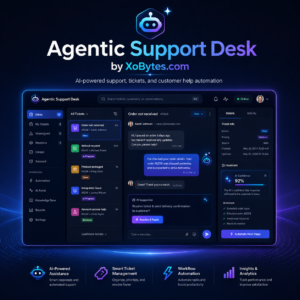
Agentic Support Desk for WordPress by XoBytes.com
$19.99
Agentic Support Desk by Xobytes is an AI-powered WordPress support desk built for software sellers, WooCommerce stores, agencies,…

Agentic Consultant, Product Rep, & Customer Service Agent By XoBytes.com
$19.99
Agentic Consultant for WordPress gives your website a smart AI product rep, customer service agent, and hands-free voice…
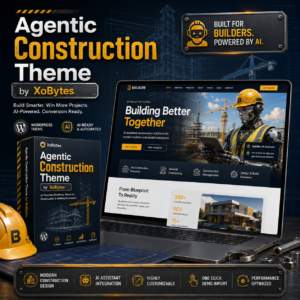
Agentic Construction Theme | More than just a theme | Built for all trades
$49.99
Why You Need This Theme And Plugin! Click here for the Demo Agentic Construction Theme by XoBytes is…
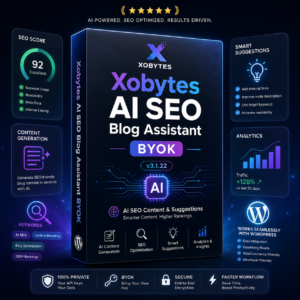
AI SEO Data & Automatic Blog Writer for WordPress by XoBytes
$19.99
Turn your WordPress site, Google Search Console data, and SEO opportunities into smarter blog posts, pages, titles, meta…

Agent Shield by XoBytes | Protect against agentic software
$25.00
AgentShield is a WordPress AI Agent Firewall that helps detect, monitor, block, and temporarily ban AI crawlers, AI…
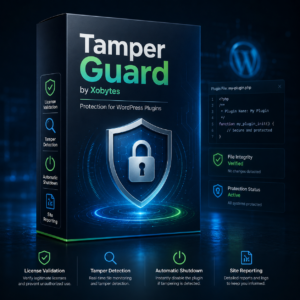
Tamper Guard by XoBytes | WordPress Plugin Tamper Detector
$25.00
Protect your commercial WordPress plugins with license-based tamper detection, file integrity monitoring, automatic shutdown protection, and site reporting.…
Product 1 of 6
Implementation Steps for a Business Automation Suite
Implementing a business automation suite can seem daunting, but following a structured approach can simplify the process:
- Define Objectives: Clearly outline what you want to achieve with automation. This could include reducing operational costs, improving customer service, or increasing sales.
- Map Current Processes: Document existing workflows to identify bottlenecks and areas ripe for automation.
- Research Tools: Investigate various automation tools that fit your needs. Look for user reviews and case studies to gauge effectiveness.
- Test Integrations: Before full deployment, test the integration of selected tools to ensure compatibility and functionality.
- Train Employees: Provide comprehensive training for employees on how to use the new tools effectively.
- Monitor Performance: After implementation, continuously monitor the performance of the automation suite and gather feedback to make necessary adjustments.
Decision Criteria for Choosing Automation Tools
When selecting tools for your business automation suite, consider the following criteria to ensure you make an informed choice:
- Usability: The tool should have an intuitive interface that minimizes the learning curve for employees.
- Support and Resources: Look for vendors that offer robust customer support and comprehensive resources such as tutorials and documentation.
- Cost: Evaluate the pricing model to ensure it fits within your budget while providing the necessary features.
- Customization: Ensure the tool allows for customization to cater to your specific business needs.
- Security: Verify that the tool complies with industry standards for data security and privacy.
Advanced Features to Consider
As you explore the essential features of business automation suites, consider incorporating advanced functionalities that can further enhance your operations:
- Artificial Intelligence (AI) Integration: AI can optimize decision-making processes by analyzing data patterns and predicting trends. This can lead to more informed strategies and improved customer interactions.
- Customizable Dashboards: Having a dashboard that can be tailored to specific departmental needs allows teams to focus on the metrics that matter most to them, improving efficiency.
- Mobile Accessibility: Ensure that your automation suite is accessible on mobile devices, enabling employees to manage tasks and respond to customer inquiries on the go.
Comparative Analysis of Popular Automation Suites
When selecting a business automation suite, it’s beneficial to compare popular options. Here’s a brief overview of three widely-used suites:
Continue with Key Signs Your Business Should Invest in Custom Software Solutions for additional XoBytes guidance.
1. Zapier
Zapier is known for its user-friendly interface and extensive integration capabilities. It allows users to connect over 2,000 apps, making it ideal for businesses looking to automate workflows across various platforms.
2. HubSpot
HubSpot offers a comprehensive CRM and marketing automation suite. Its strengths lie in inbound marketing capabilities, making it suitable for businesses focused on lead generation and nurturing.
3. Microsoft Power Automate
This tool integrates seamlessly with Microsoft products, making it a great choice for organizations already using Microsoft Office. It allows for extensive customization and automation of workflows within the Microsoft ecosystem.
Implementation Challenges and Solutions
While implementing a business automation suite can yield significant benefits, there are common challenges that organizations may face:
- Resistance to Change: Employees may be hesitant to adopt new technologies. To combat this, involve them in the selection process and provide ample training.
- Data Migration Issues: Transferring existing data to a new system can be complex. To ensure a smooth transition, conduct thorough testing and validation of data before full implementation.
- Integration Difficulties: Sometimes, tools may not integrate as smoothly as expected. Prioritize compatibility when selecting tools and consider hiring experts if necessary.
Future Trends in Business Automation
As technology continues to evolve, so do the capabilities of business automation suites. Here are some trends to watch for:
- Increased Use of AI and Machine Learning: Expect more automation tools to incorporate AI, enabling smarter decision-making and predictive analytics.
- Greater Focus on User Experience: Automation tools will increasingly prioritize user-friendly designs to facilitate easier adoption and engagement.
- Enhanced Security Features: As data breaches become more common, automation suites will likely implement more robust security measures to protect sensitive information.
Frequently Asked Questions
Here are some common questions regarding business automation suites:
- What is a business automation suite? A business automation suite is a collection of integrated tools and software designed to streamline processes, improve efficiency, and automate repetitive tasks across various business functions.
- How can a business automation suite benefit my company? It can reduce manual work, increase accuracy, improve customer service, and free up resources for strategic growth by automating routine tasks and integrating different business systems.
- What are essential features to look for in a business automation suite? Key features include workflow automation, customer support integration, reporting and analytics, CRM capabilities, and compatibility with existing systems like WooCommerce or project management tools.
- Can I customize a business automation suite for my specific needs? Yes, many automation suites are customizable, allowing you to tailor workflows, integrations, and features to match your business processes and objectives.