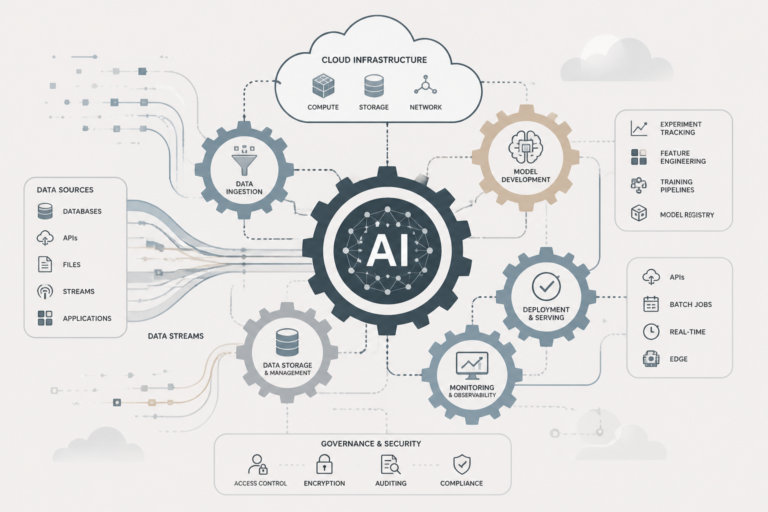
Artificial Intelligence (AI) is transforming industries, but understanding the expenses associated with AI projects can be challenging. In this article, we will explore the key factors influencing AI project expenses and share effective cost optimization tips. By understanding these elements, businesses can make informed decisions and manage their budgets more effectively.
Understanding AI Project Expenses
AI projects can vary significantly in cost, depending on various factors. To begin, it’s essential to grasp what contributes to these expenses. Here are some primary factors:
- Data Requirements: The amount and quality of data needed for AI models can greatly influence costs. High-quality, labeled data is often expensive to acquire or create.
- Model Complexity: More complex models typically require advanced algorithms and more resources, which can increase development time and costs.
- Development Time: The time required to build, test, and deploy AI solutions directly impacts costs. Longer projects incur higher labor costs.
- Infrastructure Needs: AI projects may require significant computing power and storage, leading to additional infrastructure costs.
- Ongoing Maintenance Costs: After deployment, AI systems need regular updates and maintenance, which can add to long-term expenses.
Cost Optimization Tips
To effectively manage AI project expenses, consider the following cost optimization strategies:
- Leverage Pre-Built APIs: Instead of building models from scratch, utilize existing AI APIs to save on development time and costs.
- Cloud Services: Use cloud-based solutions to reduce infrastructure costs. This approach allows for scalability and flexibility.
- Focus on Modular Solutions: Design AI systems that are modular and scalable, allowing for gradual investment as business needs grow.
- Conduct a Thorough Cost-Benefit Analysis: Before embarking on AI projects, ensure that the potential benefits justify the costs involved.
- Utilize Cost Estimation Tools: Tools like the AI Cost Calculator on XoBytes can help estimate expenses and aid in budgeting.
Real-World Examples of AI Cost Management
Many businesses have successfully optimized their AI project expenses by implementing these strategies. For instance, a healthcare company utilized cloud services to deploy its AI-driven diagnostic tool, significantly reducing its infrastructure costs. Moreover, by leveraging pre-built APIs, they accelerated development time and improved their overall project ROI.
Internal Linking for Further Reading
For more insights into budgeting for AI and understanding software development costs, check out our articles on Key Factors Influencing the Cost of Building Custom Software Platforms and Understanding Software Development Pricing: Key Factors and Cost Estimation Tips.
Conclusion
Understanding the key factors influencing AI project expenses is crucial for effective budgeting and planning. By leveraging the tips outlined in this article, businesses can optimize their AI investments and ensure they achieve the desired outcomes without overspending. Remember to utilize tools such as the AI Cost Calculator on XoBytes for a more tailored budgeting approach.
Understanding the Lifecycle of AI Project Expenses
To manage AI project expenses effectively, it’s essential to understand the lifecycle of these projects. Each phase of an AI project can incur different types of costs. Here’s a breakdown of the typical lifecycle:
- Planning Phase: This includes costs associated with feasibility studies, initial data collection, and stakeholder consultations.
- Development Phase: The most significant expenses occur here, including salaries for data scientists and engineers, software licenses, and data acquisition costs.
- Testing Phase: Costs in this phase may include additional data labeling, testing tools, and time spent on refining the model.
- Deployment Phase: This phase incurs costs related to infrastructure, cloud services, and integration with existing systems.
- Maintenance Phase: Ongoing expenses such as updates, retraining models with new data, and technical support.
Cost Comparison: In-House Development vs. Outsourcing
When considering AI project expenses, businesses often face the decision of whether to develop solutions in-house or outsource to third-party providers. Each option has its advantages and disadvantages:
For a practical companion to this section, explore Understanding the True Cost and Key Drivers of Custom Software Projects.
In-House Development
- Pros: Greater control over the project, better alignment with business goals, and potential long-term cost savings.
- Cons: Higher upfront costs, the need for skilled personnel, and longer development timelines.
Outsourcing
- Pros: Access to specialized expertise, faster project delivery, and reduced initial costs.
- Cons: Less control over the project, potential communication issues, and ongoing dependency on the vendor.
Ultimately, the choice between in-house development and outsourcing will depend on the specific needs and capabilities of the business.
Implementing Cost-Effective AI Solutions
To ensure that AI projects remain within budget, businesses can implement several cost-effective strategies:
- Start Small: Begin with a pilot project to test the waters before committing to a full-scale implementation. This approach allows for learning and adjustments without significant financial risk.
- Utilize Open Source Tools: Leverage open-source AI frameworks and libraries to reduce software costs. Tools like TensorFlow, PyTorch, and Scikit-learn can provide robust capabilities without licensing fees.
- Focus on Training and Education: Invest in training your existing team to reduce dependency on external consultants. This can lead to long-term savings and a more knowledgeable workforce.
- Monitor and Analyze Costs: Regularly review project expenses against the budget to identify areas for improvement. Use analytics tools to track spending and optimize resource allocation.
Related XoBytes Products
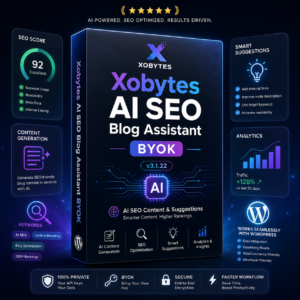
AI SEO Data & Automatic Blog Writer for WordPress by XoBytes
$19.99
Turn your WordPress site, Google Search Console data, and SEO opportunities into smarter blog posts, pages, titles, meta…

Agentic Construction Theme | More than just a theme | Built for all trades
$49.99
Why You Need This Theme And Plugin! Click here for the Demo Agentic Construction Theme by XoBytes is…
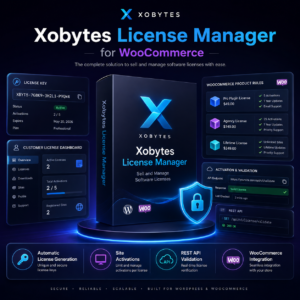
License manager for WooCommerce by XoBytes.com
$25.00
Xobytes License Manager for WooCommerce is a powerful WooCommerce license manager plugin that lets you sell software licenses,…


Upgrades, Packages & Tiers for WooCommerce By XoBytes.com
$25.00
This is a FREEMIUM plugin. Get the free version “Upgrades, Packages & Tiers for WooCommerce By XoBytes.com” Pro…

Social Media Autopilot With AI by XoBytes.com
$19.99
Xobytes Social Autopilot is a WordPress social media autoposter that helps schedule and promote posts, pages, WooCommerce products,…
Product 1 of 6
Evaluating AI Project Success
To ensure that AI projects deliver value, it’s crucial to establish clear metrics for success. Here are some key performance indicators (KPIs) to consider:
- Return on Investment (ROI): Measure the financial return generated from the AI project compared to its costs.
- Accuracy and Performance: Evaluate the effectiveness of the AI model based on its accuracy and performance metrics.
- User Adoption Rate: Assess how well the end-users are adopting the AI solution and its impact on productivity.
- Operational Efficiency: Analyze improvements in processes and workflows as a result of the AI implementation.
Future Trends Influencing AI Costs
As AI technology continues to evolve, several trends may impact project expenses:
- Increased Automation: Automation in AI development processes can reduce labor costs and speed up project timelines.
- Advancements in Hardware: More efficient hardware solutions, such as specialized AI chips, can lower infrastructure costs over time.
- Growing Ecosystem of AI Tools: The proliferation of AI tools and platforms may lead to more competitive pricing and options for businesses.
Staying informed about these trends will help businesses make strategic decisions regarding their AI investments.
Continue with Mastering AI Cost Estimation: Key Factors and Tools for additional XoBytes guidance.
Practical Steps for Cost Management in AI Projects
To effectively manage costs throughout the lifecycle of an AI project, businesses should adopt a structured approach. Here are some practical steps to consider:
- Define Clear Objectives: Start by establishing clear and measurable objectives for the AI project. This will help in aligning the budget with expected outcomes.
- Conduct a Pilot Study: Before full-scale implementation, conduct a pilot study to evaluate the feasibility and potential ROI of the project. This can help identify any unforeseen costs early on.
- Engage Stakeholders: Involve key stakeholders throughout the project to ensure that their insights and needs are considered, which can prevent costly revisions later.
- Utilize Agile Methodologies: Implement agile project management techniques to allow for flexibility and iterative improvements, which can help in managing costs effectively.
- Regularly Review Progress: Schedule regular check-ins to review project progress against budget and timelines. This helps in identifying any deviations early and allows for timely corrective actions.
Comparison of AI Development Approaches
When deciding on the best approach for AI development, businesses often weigh the pros and cons of various methods. Here’s a comparison of three common approaches:
| Approach | Pros | Cons |
|---|---|---|
| In-House Development |
|
|
| Outsourcing |
|
|
| Hybrid Approach |
|
|
Exploring Funding Options for AI Projects
Securing funding for AI projects can be a significant factor in managing costs. Here are some potential funding options to explore:
- Grants and Government Funding: Many governments offer grants and funding opportunities for AI research and development. Check local and national programs that support innovation.
- Venture Capital: For startups and businesses looking to scale quickly, venture capital can provide the necessary funding to support AI initiatives.
- Partnerships: Collaborating with academic institutions or other businesses can provide access to resources and funding for joint AI projects.
- Crowdfunding: Platforms like Kickstarter or Indiegogo can be used to raise funds for innovative AI projects, especially those with a consumer-facing application.
Frequently Asked Questions
Below are some frequently asked questions regarding AI project expenses:
- What are the main factors that influence the cost of AI projects?
Key factors include data requirements, model complexity, development time, infrastructure needs, and ongoing maintenance costs. - How can businesses estimate the total cost of implementing AI solutions?
By analyzing project scope, selecting appropriate AI tools, calculating development and deployment expenses, and considering ongoing operational costs. - Are there cost-effective ways to reduce AI project expenses?
Yes, by leveraging pre-built AI APIs, cloud services, and focusing on scalable, modular solutions that can grow with your business needs. - How does the AI cost calculator on XoBytes help businesses?
It provides an interactive way to estimate potential expenses based on your specific AI project parameters, aiding in budgeting and planning.